Air vs Foam Cushioning: What's Actually Cushioning Your Step
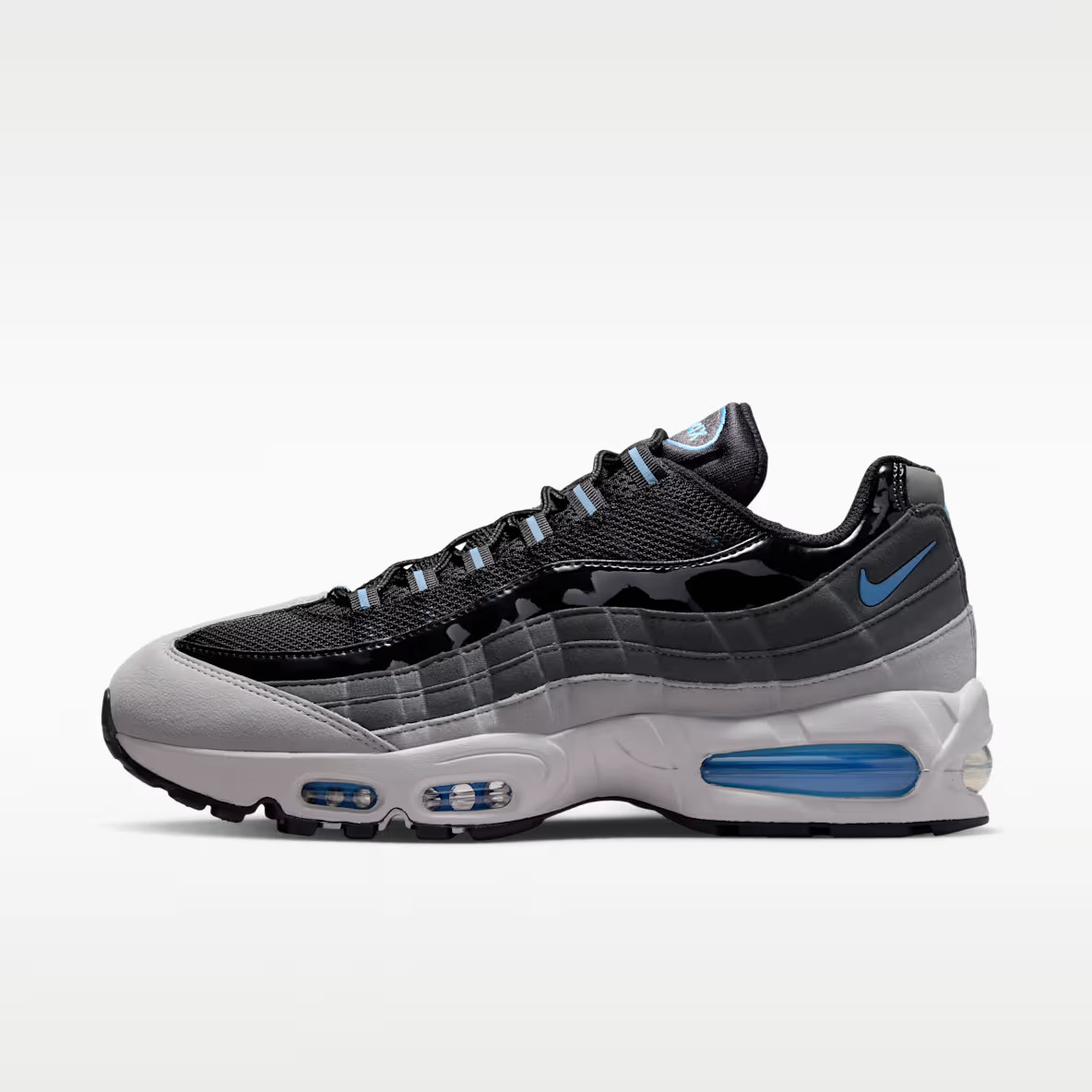
Look at a cutaway diagram of a running shoe and you'll usually see one of two things under your heel: a bag of pressurized gas, or a block of engineered plastic. Air and foam get lumped together as "cushioning" like they're interchangeable, but they solve the impact problem in almost opposite ways. Knowing which one is under your foot tells you a lot about how a shoe will actually feel, and how long it'll feel that way.
Air is a pressure problem, not a squish problem
An air unit is a sealed bladder holding gas at higher pressure than the atmosphere around it. When your foot lands, the bag doesn't compress so much as it redistributes, pushing gas sideways to spread the load across the whole chamber. That's why big visible air units, like the ones in an Air Max sole, feel bouncy and springy rather than soft. There's very little material actually absorbing energy. Most of what you feel is the air resisting deformation and pushing back almost immediately, which is also why air units are famous for barely ever going flat. There's nothing to break down chemically, just a seal that has to hold.
Foam is a squish problem, and it degrades on purpose
Foam midsoles work by physically collapsing. Millions of tiny gas bubbles trapped in a polymer matrix get crushed on impact and slowly spring back afterward, converting impact force into heat and motion instead of sending it straight up your leg. That collapsing is the whole point, but it's also why foam has a lifespan that air doesn't. Every compression cycle permanently flattens a small percentage of those bubbles. A shoe that felt plush at 50 miles will feel noticeably firmer at 300, not because anything broke, but because the foam did exactly what it was built to do, over and over, until there's less bounce left to give.
Newer foams last longer, but they still wear out
Supercritical foams like PEBA-based compounds hold their shape far better than older EVA foam because the manufacturing process packs the gas bubbles more evenly and makes the cell walls more resilient to repeated crushing. That's a real upgrade, not just marketing. But "lasts longer" isn't "lasts forever." A premium foam midsole is still losing rebound with every run, just on a longer timeline than a budget trainer. If a shoe with high-end foam suddenly feels dead well before its expected mileage, that's usually a storage or heat exposure issue rather than the foam itself being defective.
Why some shoes stack both
Hybrid setups, foam midsole with an air unit embedded in the heel or forefoot, aren't just there to look good in a cutaway shot. The foam handles the broad, even cushioning across the whole footprint, while the air unit targets a specific high-impact zone with something that won't compress over time. It's a way to keep the ride consistent in the spot that takes the hardest hits, even after the surrounding foam has softened up. The tradeoff is usually weight and a firmer, less uniform feel than an all-foam midsole.
Which one you actually want
Neither is objectively better, they're built for different priorities. Air holds its character longer and gives a distinct springy feel, which is part of why decades-old Air Max silhouettes still ride recognizably close to how they did new. Foam, especially modern supercritical foam, generally cushions more evenly and disappears under your foot in a way pure air rarely does, at the cost of a shelf life. If you're chasing a shoe that still feels the same after two years of casual wear, air units age gracefully. If you're chasing the plushest, most disappearing ride for daily miles, foam wins, you're just signing up to replace it sooner.