Breaking In New Running Shoes: What Actually Needs Time (and What Doesn't)
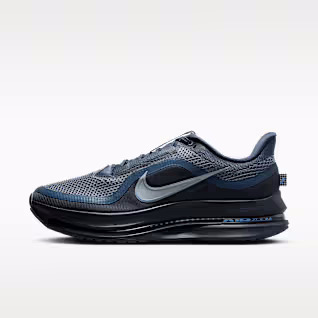
"Walk them around the house for a week before you run in them." That advice made sense when midsoles were stiff foam and uppers were unforgiving leather or mesh that needed to stretch to your foot. Most of it doesn't apply anymore, and following it can actually cost you training time. Here's what genuinely still needs an adjustment period, and what's just an old habit sticking around.
What doesn't need breaking in
Modern foams like ZoomX, PEBA blends, and most current EVA compounds are soft and responsive straight out of the box. They're not going to "loosen up" the way old-school compression-molded EVA did. If a shoe feels stiff or dead on your first run, more miles won't fix that. That's the shoe telling you it's not the right ride for your gait, not a shoe that needs warming up.
What actually does need time
Your foot does. Even the right shoe changes how your foot strikes and how your calves, achilles, and stabilizer muscles load, especially if you're coming from a very different stack height or drop. Give your body, not the shoe, one to two weeks of shorter runs to adapt before you throw a long run or a workout at it. This matters most with big changes: going from a low-drop shoe to a max-cushion trainer, or from a stability shoe to a neutral one.
The first-run checklist
On run one, pay attention to three things. First, hot spots: any specific point of rubbing or pressure usually means the fit is off, not that you need to "toughen up" that spot. Second, lacing: a shoe that feels loose in the heel or tight across the midfoot almost always needs a lacing adjustment, like a runner's loop at the top eyelet, before you blame the shoe itself. Third, lock the size in early. If your toes are hitting the front on a downhill mile one, that's not going to change by mile fifty.
When to just return it
There's a difference between "this needs a week to feel normal" and "this is wrong for my foot." Numbness, sharp pain, or a hot spot that's still there after three short runs is your body telling you to stop, not push through. Most retailers, us included, give you a real return window specifically because fit is genuinely hard to judge from a box. Use it. A shoe that's still uncomfortable after a fair trial isn't going to become your daily trainer no matter how much you want it to work out.