Carbon-Plated Racing Shoes: What the Plate Actually Does (and Who Actually Needs One)
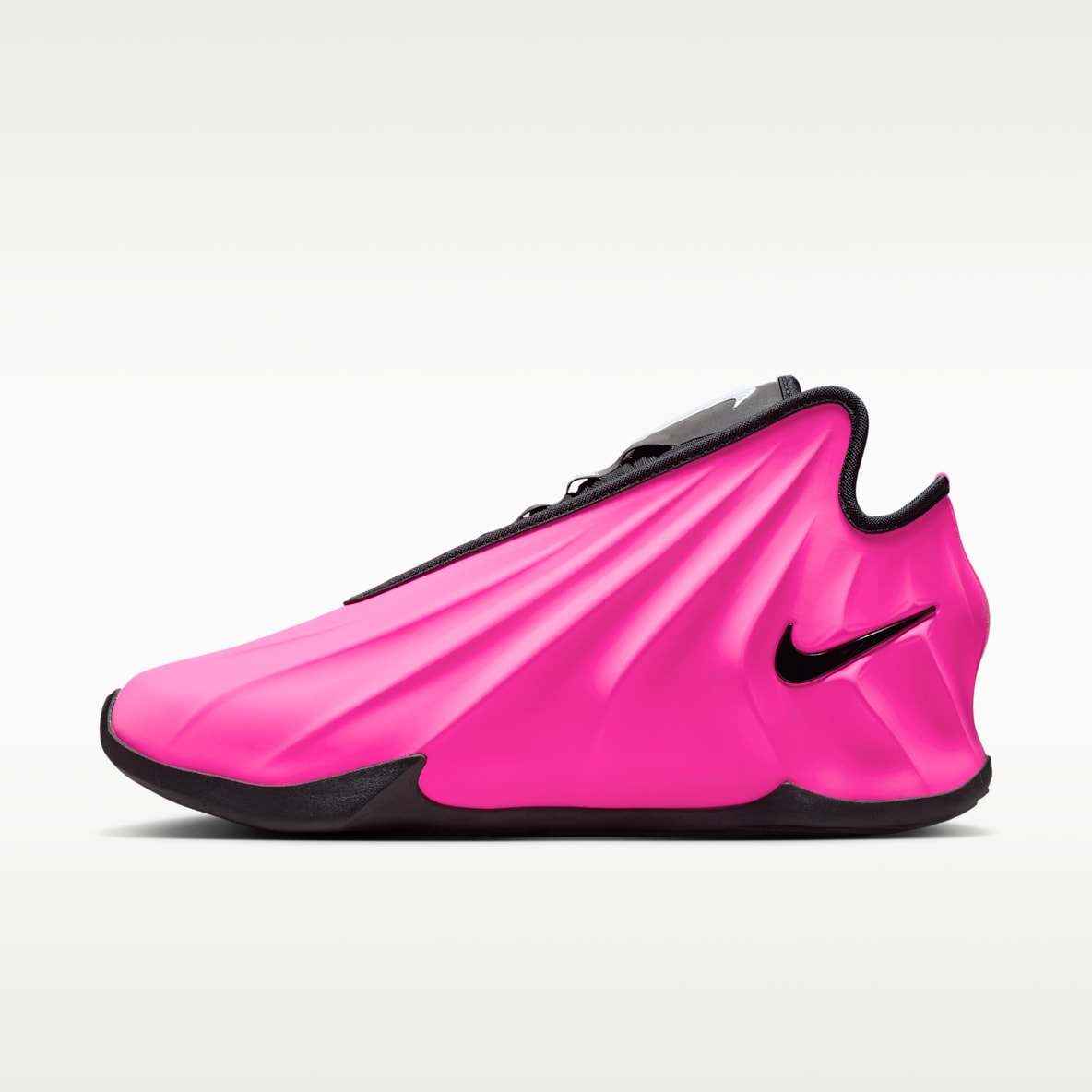
Every carbon-plated shoe ad makes it sound like the plate is a cheat code, a stiff piece of magic that turns any runner into a faster one. The real story is less dramatic and more mechanical. The plate is one part of a system, and it does almost nothing on its own without the foam around it. Here's what's actually happening underfoot, and why the plate isn't the upgrade every runner assumes it is.
The plate doesn't spring you forward, it stops energy from leaking
A carbon or nylon plate embedded in the midsole works as a lever, not a trampoline. On its own, a rigid plate stores almost no usable energy. What it actually does is limit how much your foot bends through the toe-off phase of your stride, which reduces the energy your muscles would otherwise burn just stabilizing the joint. Less wasted motion at the ankle and big toe means more of your effort goes into forward motion instead of controlling the shoe. That's the real gain, and it's smaller and more boring than "spring-loaded" marketing suggests.
The foam is doing more work than the plate is
None of this works without a thick stack of highly resilient foam, the kind that returns a large percentage of the energy you put into it instead of absorbing it as heat. The plate's job is to guide that foam's rebound in a more forward direction and keep the whole platform from folding in half under load. Pull the plate out of a modern racing shoe and it becomes mushy and unstable. Pull the foam out and the plate is just a stiff piece of plastic in a normal midsole. The performance comes from the pairing, which is why cheaper "carbon plate" shoes with basic EVA foam underneath rarely deliver the same effect as the flagship models.
Rocker geometry matters as much as the plate itself
Most plated racers pair the plate with an aggressive rocker shape, a curved sole profile that rolls your foot forward through the stride instead of asking your toes to bend at the end of it. This is why plated shoes can feel unstable standing still but smooth the second you start moving. If a plated shoe feels tippy just walking around the living room, that's usually the rocker geometry doing exactly what it's designed to do, not a defect.
Who actually benefits from one
The research on plated shoes shows the biggest gains for runners already training at higher volumes and faster paces, where the reduced energy cost compounds over a long race. A beginner running easy 10-minute miles typically won't feel much difference, and may find the firmer, more aggressive ride uncomfortable compared to a standard daily trainer. If you're not yet running consistent tempo work or racing regularly, a plated shoe is solving a problem you don't have yet. It's a tool for a specific job, not a universal upgrade.
They wear differently, so treat them differently
Plated racing shoes are built for speed, not mileage. The firmer, more responsive foam that makes them fast also tends to break down faster under everyday training loads than a cushioned daily trainer. Save them for workouts, tune-up races, and the actual race day rather than logging easy miles in them, and check the plate and foam integrity more often than you would on a trainer. A plated shoe that's lost its snap can feel deceptively fine right up until it suddenly doesn't.