Cold Weather Running: What Actually Changes When Temperatures Drop
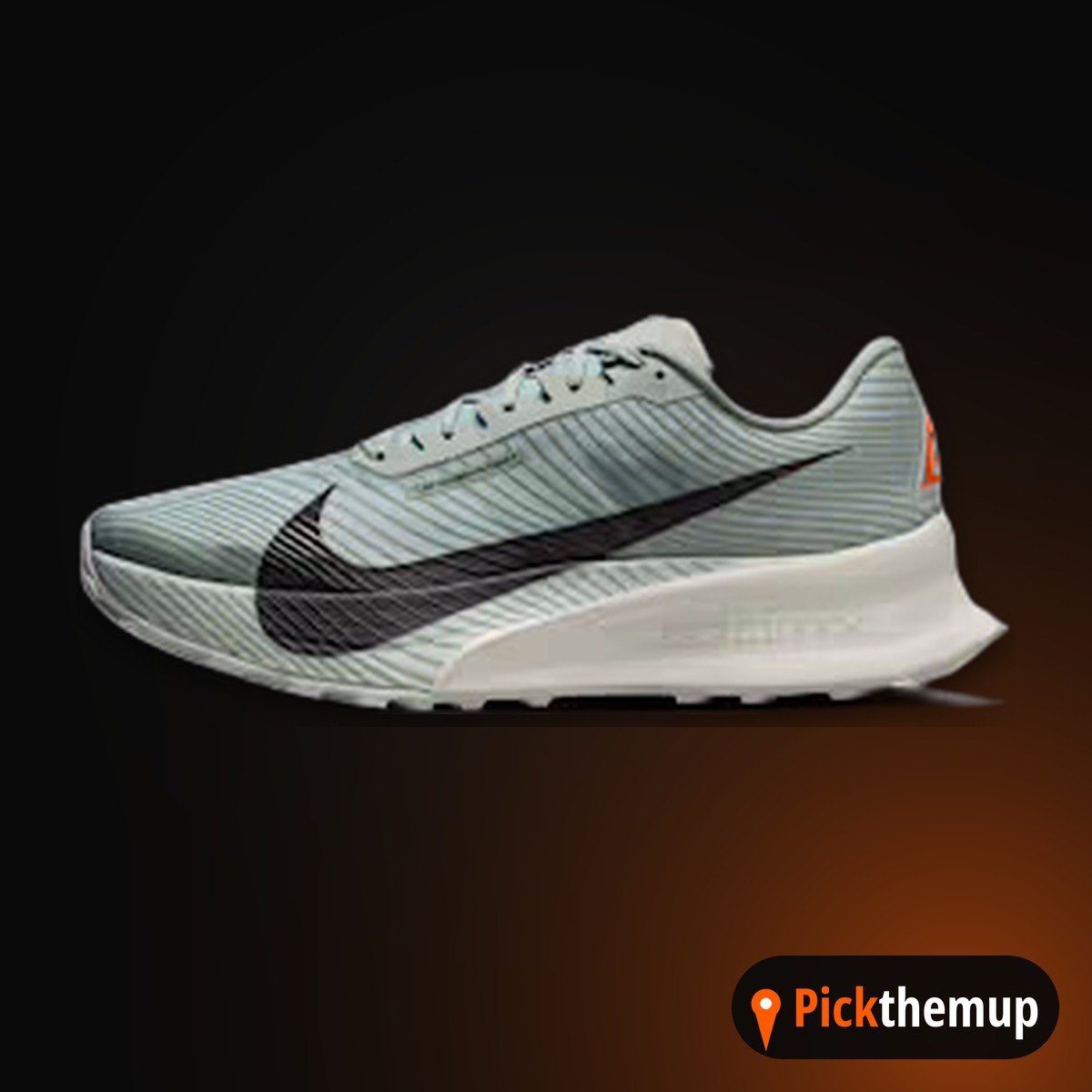
A shoe that felt bouncy and forgiving in August can feel dead and stiff the first cold morning of the year, and it's not in your head. Foam behaves differently below a certain temperature, traction works differently on wet or icy ground, and your feet handle moisture in a way that summer running never tests. None of this means you need a whole separate cold weather shoe closet. It means a few specific things are worth paying attention to before the mercury drops.
Foam gets firmer, not weaker
Most midsole foams stiffen up as the temperature falls, sometimes noticeably below freezing. That's not the foam breaking down, it's just physics, and it usually reverses once the shoe warms up again. What it means in practice is that a shoe you love in summer can feel harsher and less springy on a cold morning run, even brand new. Give it a half mile before deciding something's wrong. If it still feels dead after that, the temperature is the likely culprit, not the shoe.
Traction matters more than cushioning
Wet leaves, black ice, and packed snow expose a weak outsole fast, and a shoe that grips fine on dry pavement can turn into a liability the second the ground gets slick. Look for a rubber compound rated for wet traction, or lugs with real depth if you're running anywhere near trails or unplowed sidewalks. This is one of the few times where a slightly less cushioned shoe with better tread is the smarter pick than the plushest option in your rotation.
Your feet still sweat, even when it's cold
The instinct is to bundle up, but a sock and shoe combo that traps too much moisture leaves you with cold, damp feet, which is worse than just cold feet. A moisture-wicking sock does more for warmth than a thick cotton one. If your shoes have a mesh upper built for summer breathability, that same mesh lets cold air straight through, so a slightly more weather-resistant upper is worth the swap for anyone running regularly once temperatures drop.
Laces and reflective details need a second look
Cold weather usually means darker mornings and darker evenings too, so this is a good moment to check whether your shoes actually have reflective elements, not just black-on-black styling that looks reflective in a product photo. Laces also behave differently when your hands are cold and stiff. If you're fumbling with thin round laces in the dark, a flat lace or a lock-lacing setup you can tighten quickly is a small change that pays off every single run.
The warm-up matters more than usual
Muscles and tendons are already working against cold, tight conditions before you factor in stiffer foam and a slower start. Give yourself a longer, easier first mile than you would in summer. It's not about babying yourself, it's that the combination of cold tissue and cold shoes is exactly the setup where strains happen. Ease in, then run your actual pace once everything's actually warmed up, shoes included.