Colorway Culture: Why the Same Sneaker Costs More in One Color Than Another
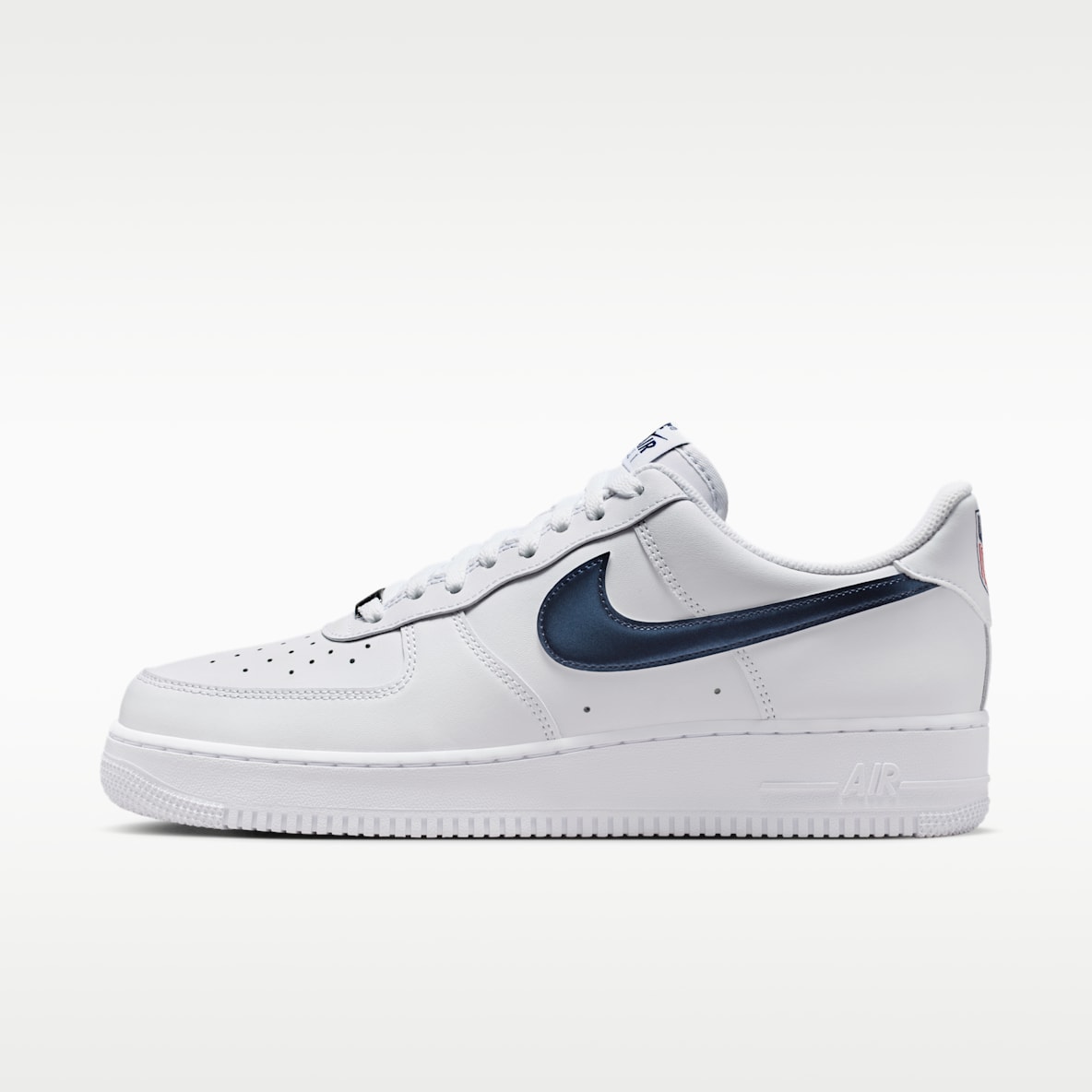
Same mold, same size run, same year on the box, and one pair sells for retail while the other sells for three times that. New collectors assume this is just hype nonsense. It isn't. The silhouette barely moves the price. The colorway does almost all the work, and there's a real logic to which ones take off.
The silhouette is the vehicle, the color is the story
A shoe mold is just geometry. What turns it into something people camp out for is the color story stacked on top: a tribute to a hometown, a nod to a specific year in a signature athlete's career, a callback to a sample that only insiders ever saw. Buyers aren't paying for the shape of the shoe, they're paying for what that specific combination of panels and shades is supposed to represent. That's why two pairs off the same last can live in completely different price tiers.
Original colorways beat retros, almost every time
A colorway that shipped the first time a silhouette ever released carries weight a later retro can't fully copy, even with identical Pantone codes. Part of it is scarcity from decades of pairs getting worn out or thrown away. Part of it is that the original simply has the story attached to it first. A 2026 retro of a colorway from the 1980s or 90s will always trade below a surviving original in comparable condition, no matter how accurate the reproduction is.
Limited runs create the gap, but demand decides how wide it gets
Plenty of colorways get a genuinely small production run and still don't move resale prices at all, because nobody was asking for that particular combination. The colorways that spike are the ones where limited supply meets a story people already cared about before the shoe existed: a player's actual game-worn pair, a designer collaboration, a regional release that most of the country technically can't buy at retail. Scarcity alone is a footnote. Scarcity plus a story people already wanted is what moves a price.
How to read a colorway before you pay a premium for it
Before assuming a colorway is worth chasing, check three things: whether it's an original release or a retro, how the production run compares to the silhouette's other colorways, and whether the story behind it is documented or just internet rumor. A lot of "rare" colorways aren't rare at all, they're just newly popular because someone posted about them. The pairs that hold value over years are the ones with a real, verifiable release story behind the color, not just a moment of hype.