Dad Shoes: How the Ugliest Sneakers Won
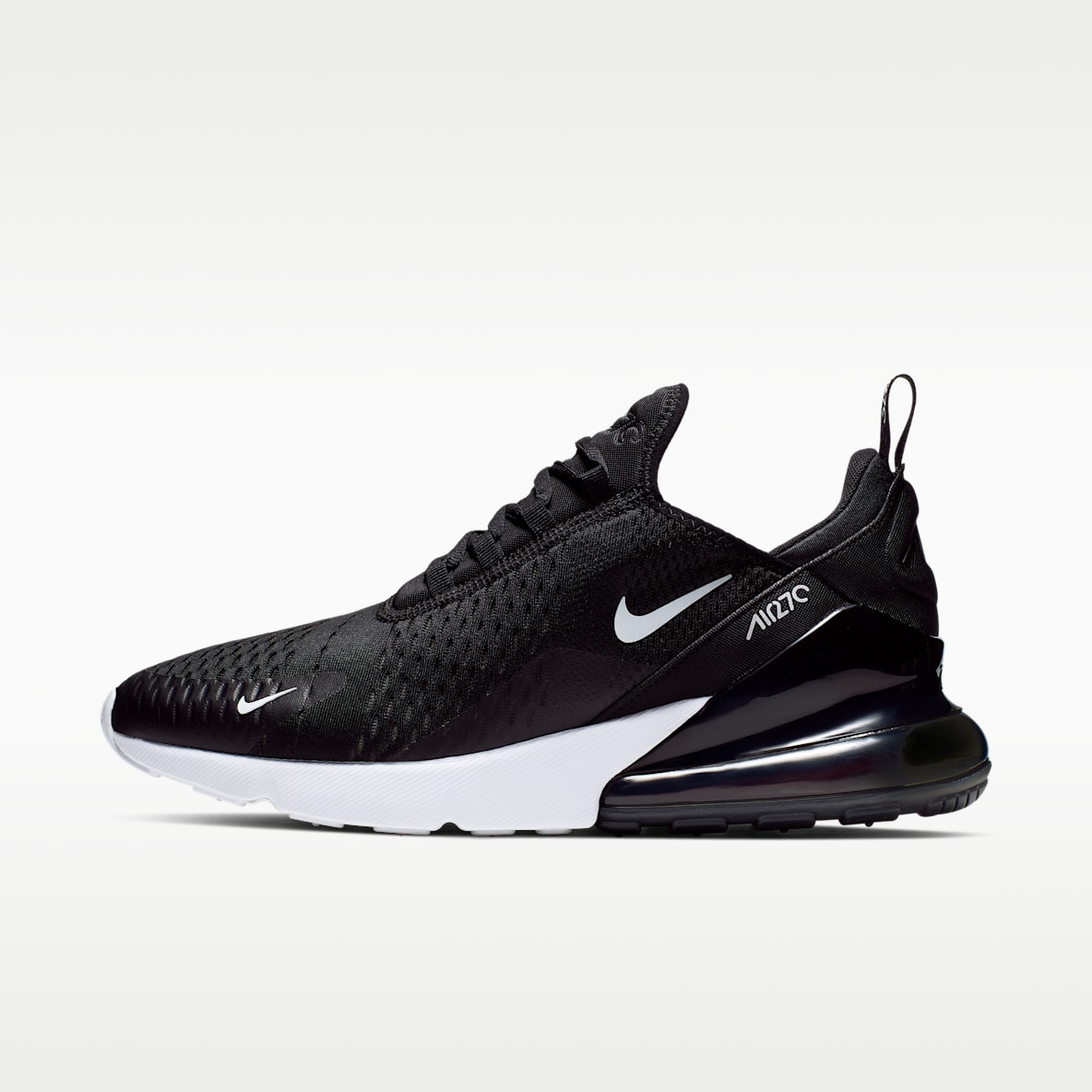
For most of the 2000s, a thick, clunky sole was the thing you tried to avoid. Sleek and low profile was the whole point. Then somewhere around 2017, oversized soles that looked like they belonged on a hiking trail started showing up on runways, and the people who'd spent a decade chasing minimalist silhouettes had to sit with the fact that the shoes their dads wore to the grocery store were suddenly the ones everyone wanted.
It started as a joke that stopped being funny
Balenciaga's Triple S is usually credited with kicking the trend into the mainstream, a sneaker so exaggerated it looked like three shoes stacked on top of each other, priced like a designer bag. It was meant to be a little absurd. But the absurdity is exactly what made it interesting to a generation that had grown tired of matchy, safe sneaker fits. Once one luxury house proved chunky sold, everyone else followed, and the trend stopped being a punchline fast.
The tech excuse made it easy to justify
What kept dad shoes from being a pure fashion fad is that sportswear brands already had the engineering to back it up. Big, visible cushioning units weren't new, they'd been selling performance benefits for years. The culture shift just meant people started wearing running tech as a lifestyle statement instead of hiding it under a slim silhouette. A shoe like the Air Max 270 leaned into that directly, an exaggerated heel Air unit that was built to be looked at, not just felt underfoot.
Proportions did the heavy lifting
The actual style trick behind dad shoes is proportion, not comfort. A big, blocky sole makes straight-leg jeans and slightly cropped pants look intentional instead of accidental, and it balances out an oversized top in a way that a flat, minimal sneaker can't. Stylists figured out that chunky soles work almost like a visual anchor. Once that clicked, the trend stopped being about the shoe on its own and became a whole outfit formula.
It never fully went away, it just got quieter
The loudest phase of the trend cooled off by the early 2020s as low-profile silhouettes like the Dunk clawed back attention, but chunky soles didn't disappear, they just stopped being the only story. Trail-inspired and technical-looking sneakers kept selling steadily because the actual comfort case is real, a wider sole platform and more cushioning genuinely feels different on foot. What changed is that people stopped treating it as a costume and started treating it as just another silhouette option in rotation.
What to actually check before buying into the trend
If you're picking up a chunky-soled pair, fit runs differently than a standard low-top. The wider platform changes how the shoe sits relative to your ankle, so sizing down half a size is common advice for a snugger, less clownish look. Check how the shoe photographs against your actual proportions before committing, since a silhouette that reads great on a 6-foot model can look overwhelming on a smaller frame. The trend rewards trying things on, not buying blind off a lookbook.