Hybrid Jordans: When Nike Mashed Up the Whole Family Tree
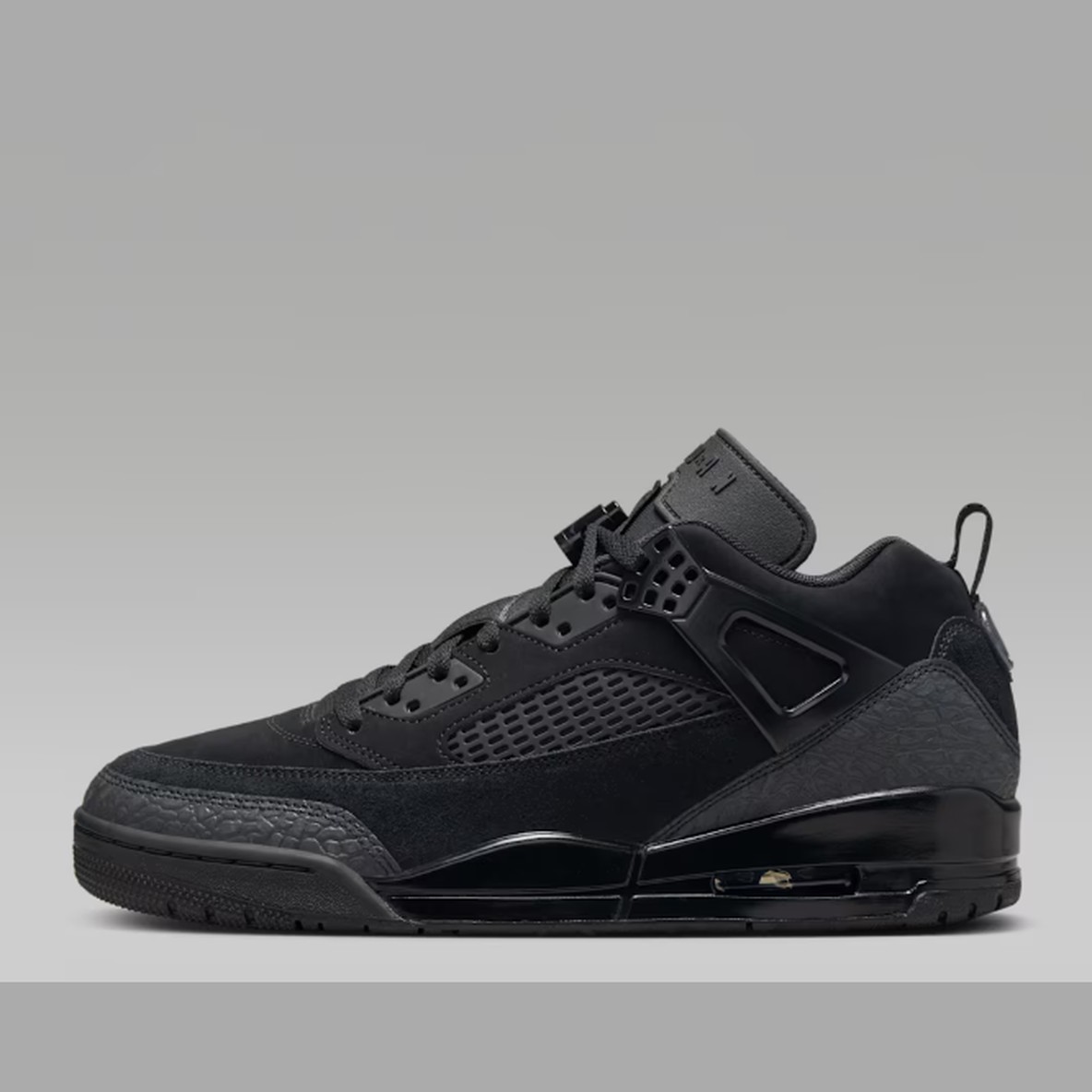
Most sneakers borrow a detail or two from an older model and call it inspiration. The Spizike did something else entirely, it took pieces from four different Air Jordans, stapled them onto one shoe, and somehow it worked. That's the hybrid Jordan, a strange and slightly overlooked corner of the family tree that gets less shelf talk than the numbered retros but is honestly more interesting to look at up close.
The Spizike proved the idea wasn't crazy
Released for the Jordan Brand's 2006 anniversary run, the Spizike takes the tongue and collar shape from the Air Jordan 1, the elephant print mudguard and midsole cut from the Air Jordan 3, the wing eyelets from the Air Jordan 4, and the tongue pull tab and lace lock from the Air Jordan 5. On paper that sounds like a mess. On foot it reads as one coherent, oversized silhouette, which is exactly why it became the template every later hybrid tried to follow.
Son of Mars and Sixty Plus pushed it further
Once the Spizike sold, Jordan Brand kept the formula going. The Son of Mars pulls from the 1, 4, and 6 in a slightly lower-profile build, while the Sixty Plus was made specifically to mark the brand's 60th anniversary, splicing cushioning and outsole details from multiple eras into a single low-top instead of the usual high-top hybrid shape. Both exist because the Spizike showed there was real demand for a shoe that referenced the whole catalog instead of just one page of it.
The Trunner is a different kind of hybrid
Not every hybrid is nostalgia stacking. The Jordan Trunner OS blends a basketball-shaped upper with an outsole and last built more like a cross-trainer, because the original Trunner was designed for the weight room, not the hardwood. It's a hybrid in function rather than in throwback references, which makes it a genuinely different animal from the Spizike family even though people often lump them together.
What to actually check before buying one
Fit runs differently on a hybrid because the last is a composite shape, not a scaled-up version of any single OG model, so don't assume your normal Jordan 1 or 4 size will carry over cleanly. Resale liquidity is also thinner than the shoes a hybrid samples from, since it draws from a narrower slice of buyers who want the mashup specifically rather than either parent shoe on its own. Buy it because you want the shoe in front of you, not because you're hoping it holds value like the models it's referencing.