Mules and Slides: Why Half a Shoe Took Over Streetwear
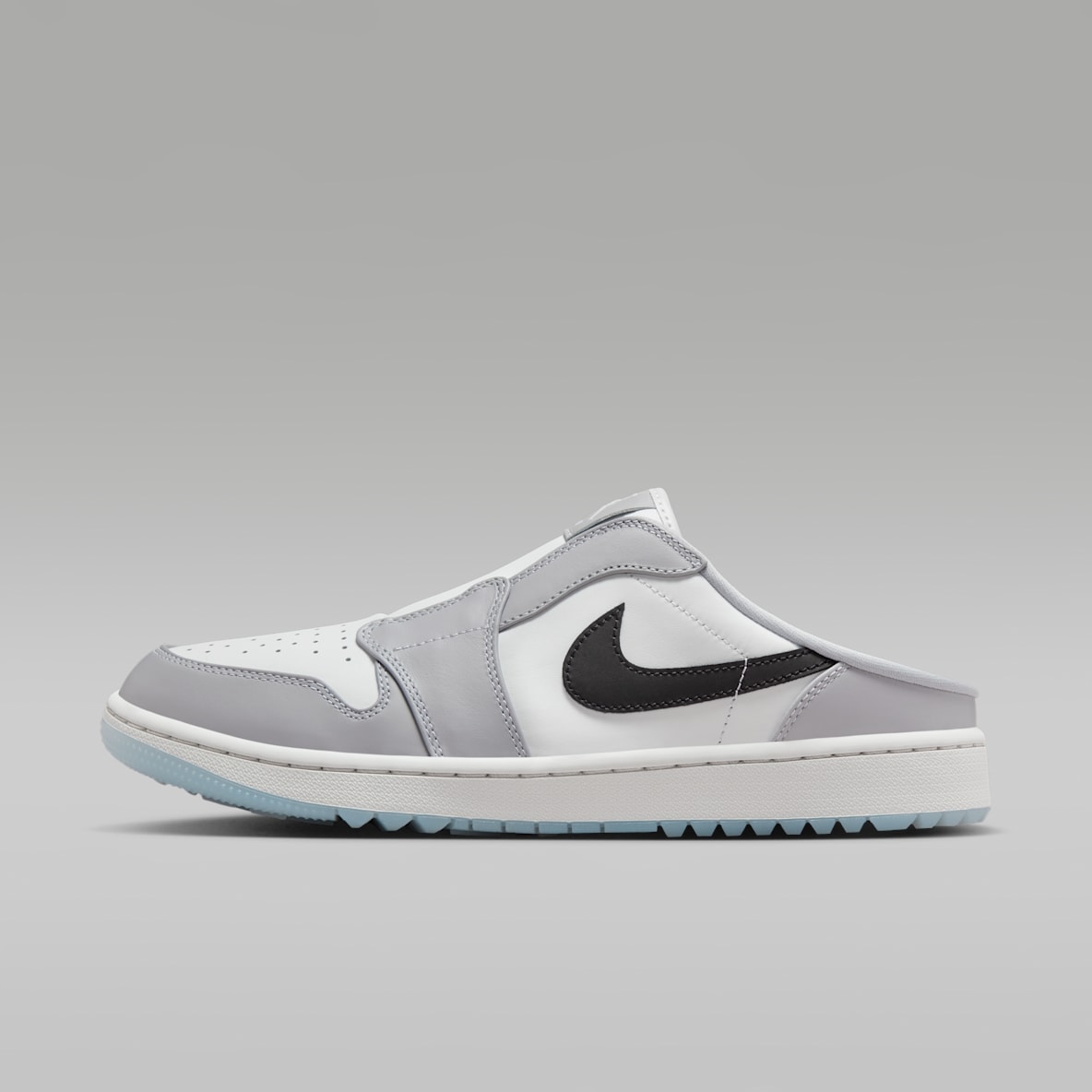
A few years ago a backless shoe meant one thing: you were headed to the shower or you'd blown out your heel and stopped caring. Now brands are dropping mule versions of their actual signature silhouettes on release day, on purpose, at full price. Something changed, and it wasn't just laziness winning out.
The heel counter was the whole point of removing it
A real mule doesn't just chop the back off a sneaker, it redesigns around the missing piece. Drop the heel counter and you drop the one part of the shoe built to lock your foot in place, which sounds like a downgrade until you realize plenty of situations never needed that lockdown in the first place. Walking to the mailbox, driving, standing at a grill. The mule format admits that not every step of your day is a run.
Slip-in tech made the category legitimate
The shift from novelty to category happened when brands started engineering for it instead of just cutting a sample in half. Collapsible heels reinforced with internal structure, stretch-woven collars that snap back into shape, cushioning tuned for a shorter stride since you're not driving off the back foot the same way. That's a different product than a $12 foam slide, and it's why a good mule costs closer to what the full sneaker costs.
Where they actually work, and where they don't
Mules are built for low-commitment movement, not lateral cuts or anything that needs your foot locked down at speed. Great for errands, studio sessions, travel days, and anywhere you're in and out of the shoe twenty times an hour. Bad idea for actual training, court sports, or anything on uneven ground, since there's nothing back there to catch you if your heel starts to slide sideways.
Sizing runs differently than you'd expect
Because your foot isn't locked in, a lot of people size down half a size from their normal sneaker size to keep the front from feeling sloppy when they walk. Try before you commit if you can, and if you're buying a colorway-specific drop pair, check the actual insole length rather than assuming it matches the closed-heel version of the same model.