Night Running: What Actually Keeps You Visible (and Safe)
Most people's night-running kit is one dark hoodie and good intentions. Then they wonder why a driver making a right turn didn't see them until the last second. Visibility on a night run isn't about looking cool under streetlights, it's about being seen by someone scanning the road for anything but a person. Here's what actually moves the needle.
Motion matters more than color
A static reflective logo on your chest is decent. Reflective material on your ankles, wrists, or shoes is better, because the human eye is wired to notice movement long before it notices shape or color. That swinging, bobbing motion at ankle height is what catches a driver's peripheral vision from a distance a chest logo never will. If you're only buying one piece of reflective gear, make it something on your feet or lower legs, not a jacket.
Reflective beats neon, and neither beats both
Bright colors work great at dusk, when there's still ambient light to bounce off them. Once it's actually dark, neon is just another dark shape to a driver's headlights. Reflective material is what lights up under headlights specifically, which is exactly the scenario you're trying to solve for. The two aren't redundant, they cover different parts of your run. Dusk and dawn call for bright color, full dark calls for reflective strips and a light source.
A front light is for seeing, a rear light is for being seen
People buy one blinking light and clip it wherever's convenient, but the two jobs are different. A headlamp or chest light lets you see potholes, curbs, and loose dogs before you're on top of them. A rear red light, ideally blinking rather than solid, is what a car approaching from behind actually registers. If you run anywhere near traffic, both matter, and skipping the rear one because you already have a headlamp is a common and avoidable gap.
Route choice does more work than gear
No amount of reflective gear fixes a route with no shoulder, blind curves, and cars doing 45. Before optimizing what you're wearing, look at where you're running. Sidewalks and dedicated paths beat road shoulders. Running against traffic on a shoulder means you can see a car coming and react, running with traffic means your back is the only warning a driver gets. Small route changes often cut your actual risk more than a $60 vest does.
Fit still matters after dark
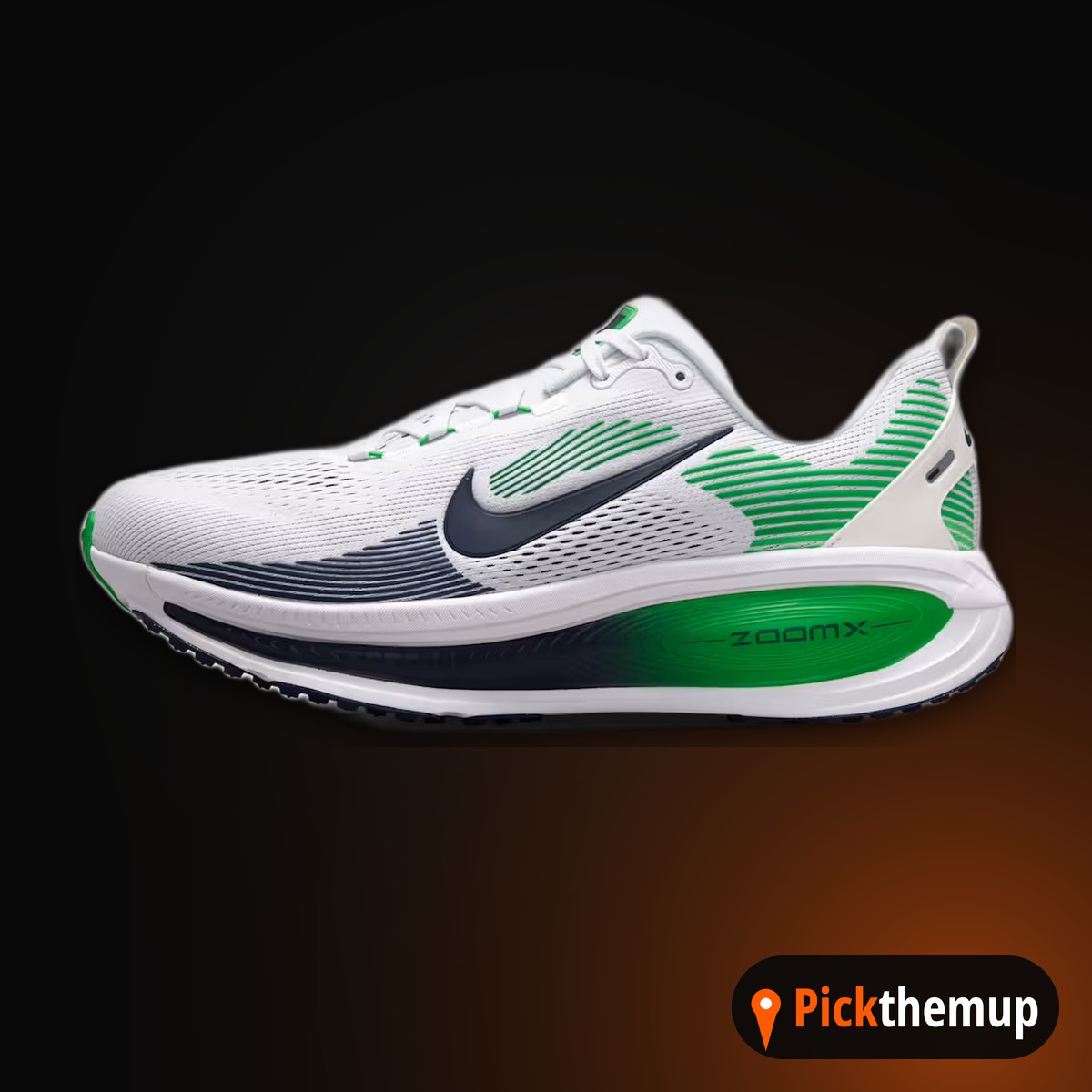
None of this works if the shoes underneath you are wrong for the run. Uneven pavement, curbs you can't fully see, and the general unpredictability of a dark route put more demand on stability than a daytime tempo on a track. A stable, well-fitted daily trainer with good ground feel is worth more on a night run than your fastest, flattest race shoe. Save that one for daylight.