Race Week: What Your Shoes Need in the 7 Days Before the Gun Goes Off
Somewhere out there is a runner about to lace up a pair they bought three days ago for a race they've been training for since spring. Please don't be that runner.
Day 7 to day 4: last real training, known shoes only
Whatever you've been logging your long runs in, stay in it. This is not the week to fall for a shiny new colorway, no matter how good the drop looks. Your legs, your feet, and your shoes have built a relationship over the last several months. Race week is not the time for a first date.
Day 3: check the wear, not just the look
A shoe can look completely fine on the outside and still be past its useful life underneath. Press a thumb into the midsole. If it feels noticeably flatter or firmer than it did when the shoe was new, that cushioning isn't coming back. Most trainers are good for somewhere in the 300 to 500 mile range depending on the foam. If you're near that number, race day should be in a backup pair with real miles on it already, not a fresh box.
Day 2: lace check, lay it out, stop thinking about it
Swap any laces that are fraying. Set the full kit out the night before, shoes included, so morning-of you isn't hunting for anything. Then genuinely stop thinking about your shoes. The prep work is done.
Race morning: the only new thing allowed is adrenaline
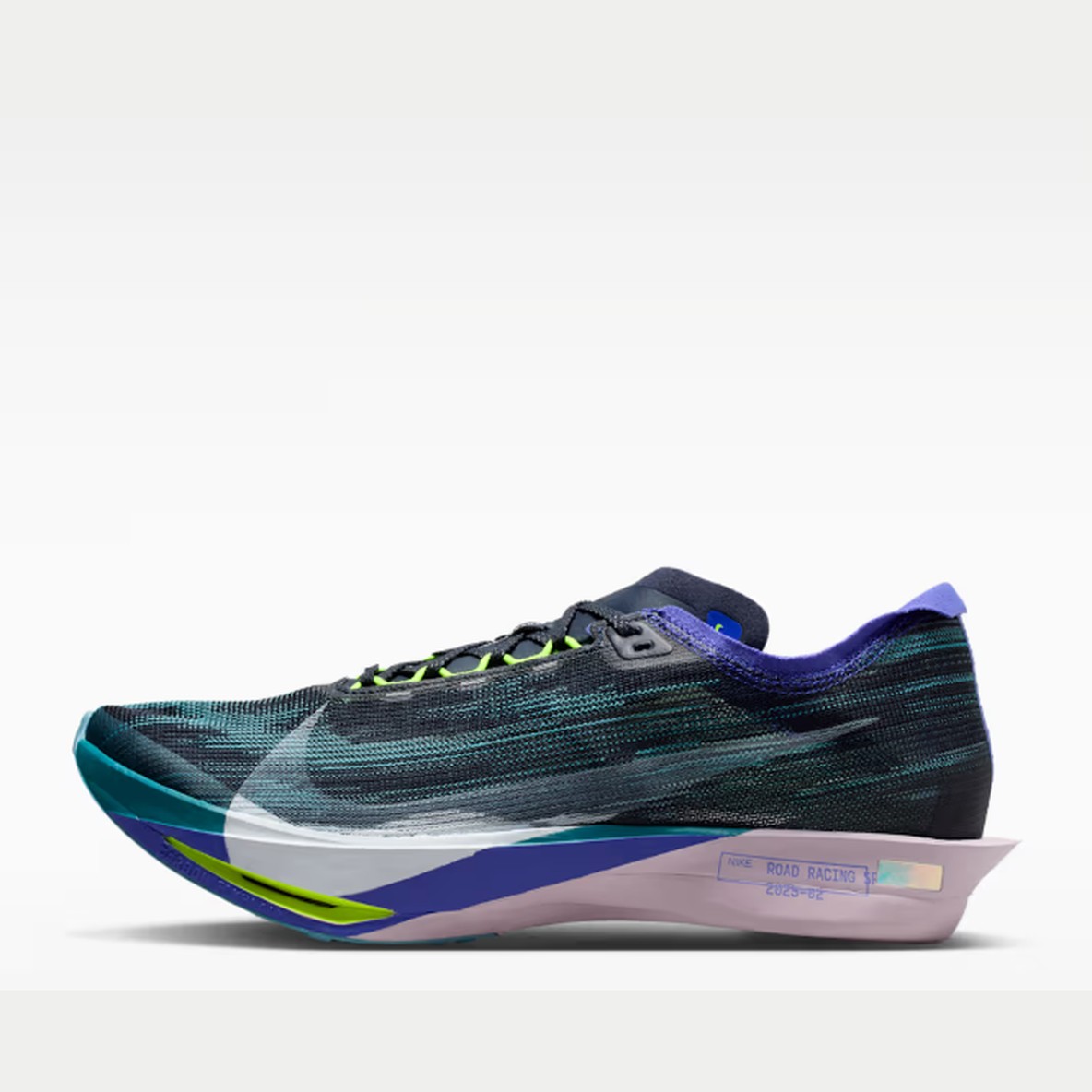
If you're racing in a carbon-plated pair saved specifically for race day, that's the one exception to "nothing new," and only because you should have already run at least a couple of shorter efforts in it beforehand to know how it feels under real pace. Everything else on your body should be exactly what it was during your best training weeks. Boring is the goal. Save the excitement for the finish line.