Reading an Upper: What Mesh, Knit, and Leather Actually Change
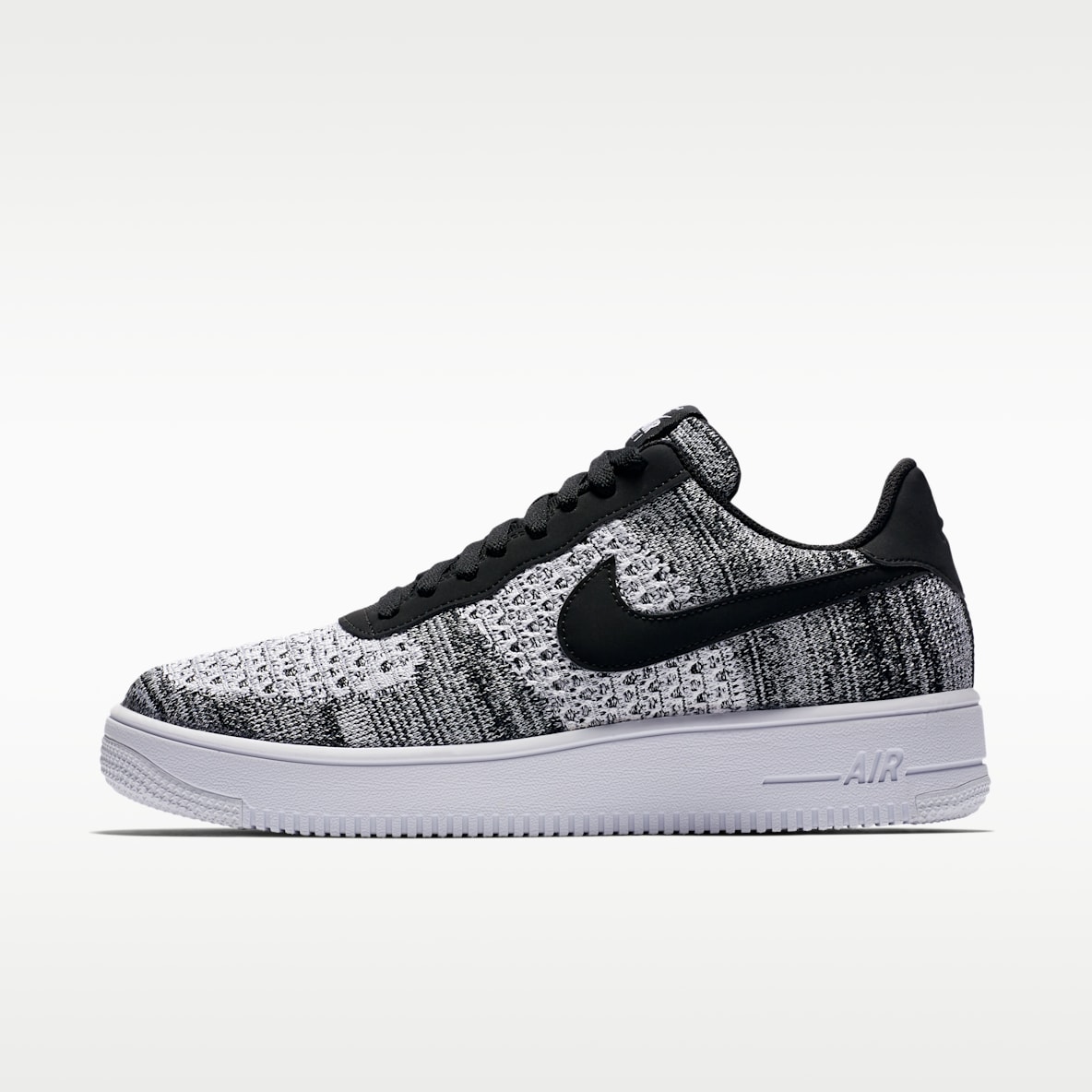
The outsole and midsole get all the technical write-ups, but the upper is the part of the shoe you actually feel against your foot for eight hours a day. It decides how hot your feet get, how much a shoe flexes with you instead of against you, and how it looks after a year of wear. Here's what's actually different between the main upper materials, and why a brand picks one over another.
Engineered mesh is a zoning tool, not a shortcut
Cheap mesh is uniform and floppy. Engineered mesh is woven with different densities in different zones on purpose, tighter and more supportive around the midfoot and heel, more open where the foot needs airflow, usually across the toes and the arch. That's why two mesh shoes can feel completely different even though they're technically the same material category. If a mesh upper feels like it's holding your foot in one place and letting it breathe in another, that's not an accident, that's zoning.
Knit uppers trade structure for a sock-like fit
Flyknit, Primeknit, and similar knit constructions are built as a single continuous piece rather than cut-and-stitched panels, which is why they wrap the foot more like a sock and have fewer seams to cause hot spots. The tradeoff is structure. Knit uppers rely more heavily on internal cages, heel counters, and lacing systems to hold shape, because the knit itself is soft and stretchy rather than rigid. A knit shoe that feels sloppy usually has a weak internal cage, not bad knitting.
Full-grain leather ages, synthetic leather doesn't
Full-grain leather, the kind on classic Air Force 1s and a lot of retro basketball silhouettes, creases and develops a patina with wear, which some people specifically want. It also needs conditioning to avoid cracking and takes longer to break in. Synthetic leather looks nearly identical out of the box, resists water and stains better, and stays looking the same for longer, but it doesn't age the way real leather does and it's less breathable. Neither is objectively better, they just age in opposite directions.
Breathability and durability pull in opposite directions
Open, airy mesh breathes well but wears through faster at high-friction points like the pinky toe and the medial forefoot. Leather and heavier synthetics last longer under the same abuse but trap heat. This is why running shoes lean mesh and lifestyle or skate shoes lean leather and suede: running shoes prioritize heat management over years of wear, skate shoes need to survive griptape abrasion more than they need to breathe.
Check the upper before you check the price
If you're deciding between two similar shoes, run a hand across the upper before anything else. Stiff, glossy synthetic panels usually mean lower cost and less give over time. Soft, textured knit or engineered mesh usually means a more considered build. It's a five-second check that tells you more about long-term comfort than most spec sheets do.