Replacing Shoelaces: Length, Material, and the Cheapest Upgrade You Can Make
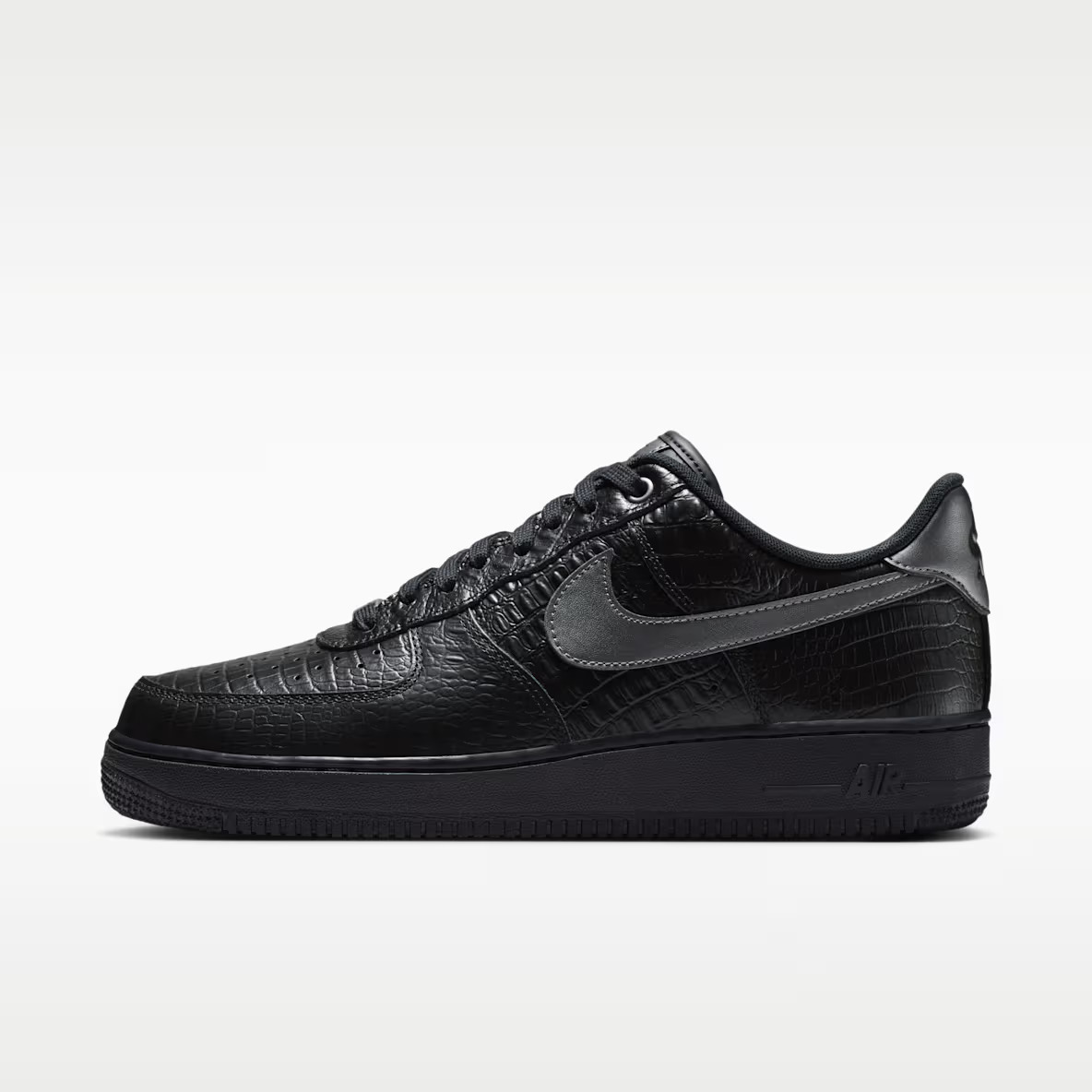
Laces are the first thing to look tired on a pair and the easiest thing to fix. A frayed, flattened, or graying lace drags down a clean shoe, and the wrong replacement can make fit worse. Getting it right takes about two minutes and a ruler.
Measure before you buy
Lace length is set by eyelet count, not shoe size. Count the pairs of eyelets, then match that number to a length chart: roughly 114 cm for six to seven pairs, 120 to 137 cm for seven to eight, and 150 cm or more for boots and high tops. The fastest check is to pull one old lace out and measure it flat. If you like a bigger bow or double knot, add a few centimeters, because too short a lace is the one mistake you only notice once the shoe is laced.
Flat, round, and waxed
Flat laces sit neatly across the tongue and suit retro basketball and court silhouettes, but they twist and loosen if the weave is thin. Round laces slide easily and suit runners and minimalist shoes, though they untie faster. Waxed laces grip their own knot and stay closed all day, which makes them a good fit for leather dress-leaning sneakers. If a pair keeps coming undone, the material is usually the problem, not your knot.
Thickness changes the fit
A thicker lace takes up more room in each eyelet, so it tightens the throat of the shoe slightly. If your stock lace feels fine, stick close to its width. Swapping a skinny lace into a chunky padded tongue can leave the midfoot loose, and the opposite can strain narrow eyelets until the lacing edge cracks.
Cleaning versus replacing
White laces can often be saved with a soak in warm water and a drop of detergent, then air drying. Skip bleach, which yellows cotton over time. Replace instead when you see fraying at the aglet, a stretched lace that won't hold tension, or stains that survived a wash. A damaged aglet tip also makes lacing a chore, so that alone is reason enough.
Keep the originals
If you collect or resell, store the factory laces in the box. A pair with its original laces reads as complete, and a buyer checking the box will usually look for them. Wear the replacements, keep the stock set clean and folded, and you get the look you want without costing the pair any value.