Running Cadence: Is 180 Steps Per Minute a Real Target?
At some point someone at your run club tells you that you should be hitting 180 steps per minute. It sounds official, like a speed limit. It's actually a rule of thumb with a decent backstory and a lot of exceptions.
Where the 180 came from
The number traces back to coach Jack Daniels, who counted the strides of elite distance runners at the 1984 Olympics and noticed almost all of them landed near or above 180. The catch is that those athletes were running race pace. A casual jog is slower, and slower paces naturally mean fewer steps. Most recreational runners sit between 150 and 175 on easy days, and that's normal.
Your number depends on your legs
Cadence is stride length's dance partner. Taller runners with longer legs usually take fewer, bigger steps, and shorter runners take more. Pace matters too, since cadence climbs as you speed up. Instead of chasing a universal target, count your steps for one minute at an easy pace, then again at a tempo pace. Those two numbers are your baseline.
Why people bother changing it
If you tend to reach out with your foot and land well ahead of your hips, a slightly quicker cadence shortens that reach. Lower braking forces and a softer landing are the usual benefits. A small bump of about 5 percent is the sweet spot. Jumping from 160 to 180 overnight just makes you feel like you're running on hot sand.
How to nudge it safely
Use a metronome app or a playlist built around a target beats per minute, and add the extra steps for a few minutes at a time during easy runs. Keep your effort the same, which means your pace should stay put and your steps should simply get lighter and quicker. Give each new rhythm a couple of weeks before you raise it again. Calves and Achilles tendons need time to adapt to the faster turnover.
Does your shoe change it?
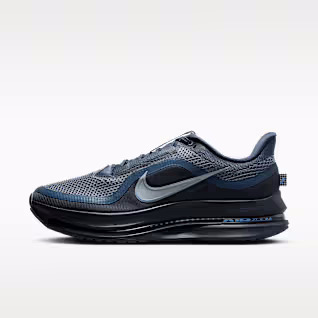
A little. Heavier, softer shoes tend to encourage a slower, bouncier step, while light, snappy trainers make quick turnover feel easier. A rockered, high-stack shoe can also smooth out your landing so cadence matters less. None of that replaces the basics, so pick the pair that feels natural and let your rhythm settle around it.