Running Socks: The Gear Nobody Thinks About Until It Ruins a Run
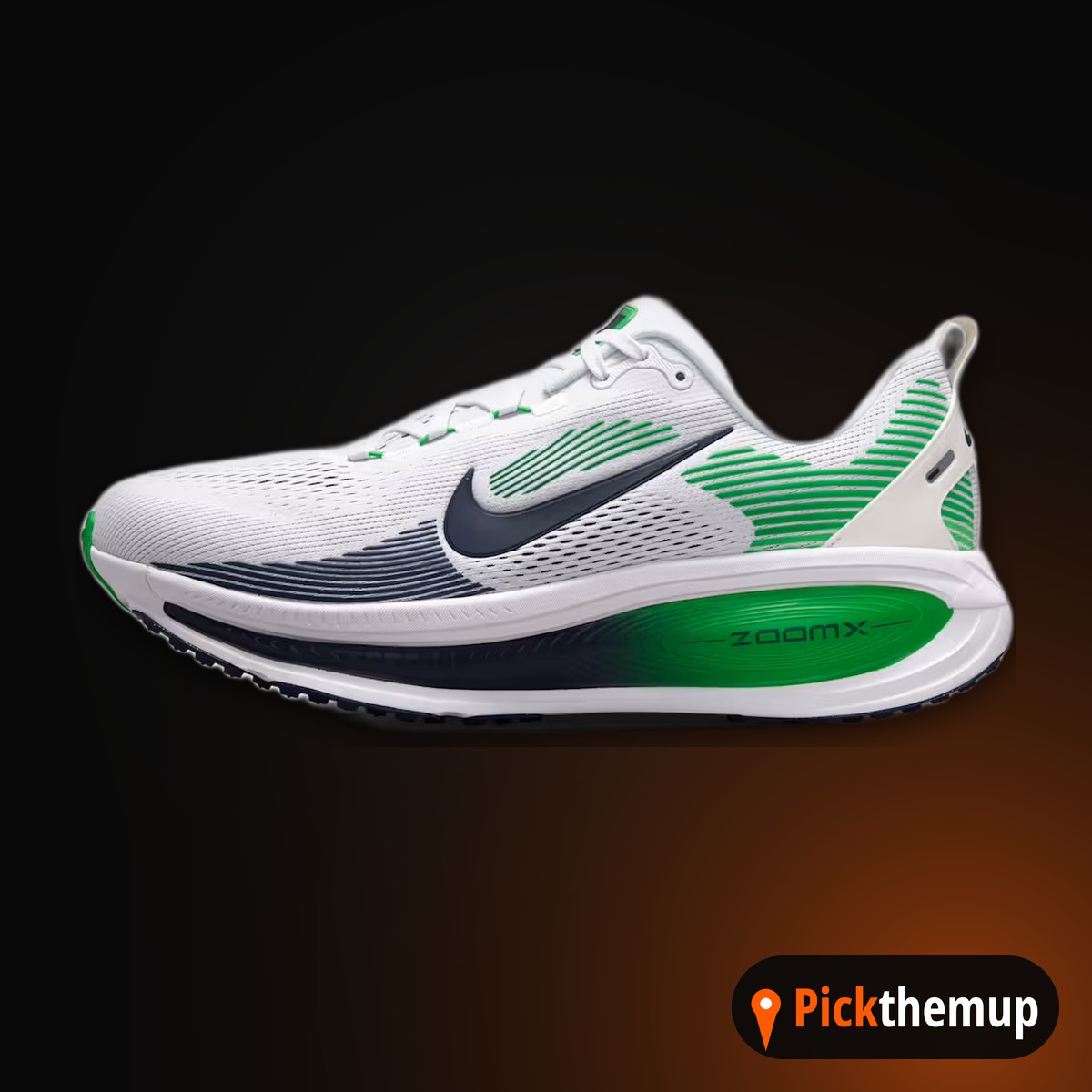
People will research a shoe for weeks, read the stack height, compare the drop, watch three review videos, then run in whatever socks were already in the drawer. That's backwards. A great shoe on the wrong sock still gives you blisters, hot spots, and a fit that feels different from what you tried on in the store. The sock is part of the fit system, not an accessory to it.
Cotton is the actual villain
Cotton holds onto sweat instead of moving it away from your skin. A wet cotton sock gets heavier, bunches up inside the shoe, and creates the friction that turns into a blister around mile three. Synthetic blends and merino wool both move moisture outward and dry faster, which is why almost every running-specific sock skips cotton entirely. If you're still running in whatever came in a multipack from a big box store, this is the cheapest upgrade in your whole kit.
Thickness changes your shoe's fit, not just your comfort
A shoe is sized and tuned around an assumed sock thickness, so switching from a thin no-show sock to a cushioned crew sock can eat up half a size of room in the toe box and change how locked-in the heel feels. This is why the fit that felt perfect in the store can feel tight three weeks later if you switched sock styles without thinking about it. If a shoe feels off after a sock change, try your old sock before you blame the shoe.
Seams are a bigger deal than people expect
A flat, seamless toe closure matters more at mile ten than it does at mile one. Early on you won't notice a slightly raised seam across your toes, but under repeated impact that same seam becomes a hot spot and eventually a blister. This is also why some runners size up a sock as their weekly mileage climbs. What's invisible on a short run gets amplified by volume.
Match the sock to the run, not just the shoe
A thin, low-cut sock makes sense for a fast tempo run where you want to feel the ground. A slightly thicker sock earns its keep on long runs or trail routes where cushioning and blister protection matter more than ground feel. Runners who rotate shoes for different workouts, which is worth doing on its own, should be rotating socks the same way instead of grabbing whichever pair is on top.
The height still matters for comfort, not just looks
Ankle socks that sit right at the collar of a shoe can create rubbing exactly where the heel counter presses in, while a slightly taller sock puts a layer of fabric between your ankle and that structure. This has nothing to do with trend cycles and everything to do with where the seam of the sock lands relative to the stiffest part of the shoe. If you get consistent irritation at the same spot on your ankle, check the sock height before you check the shoe.