Shoe Trees: Do They Actually Do Anything?
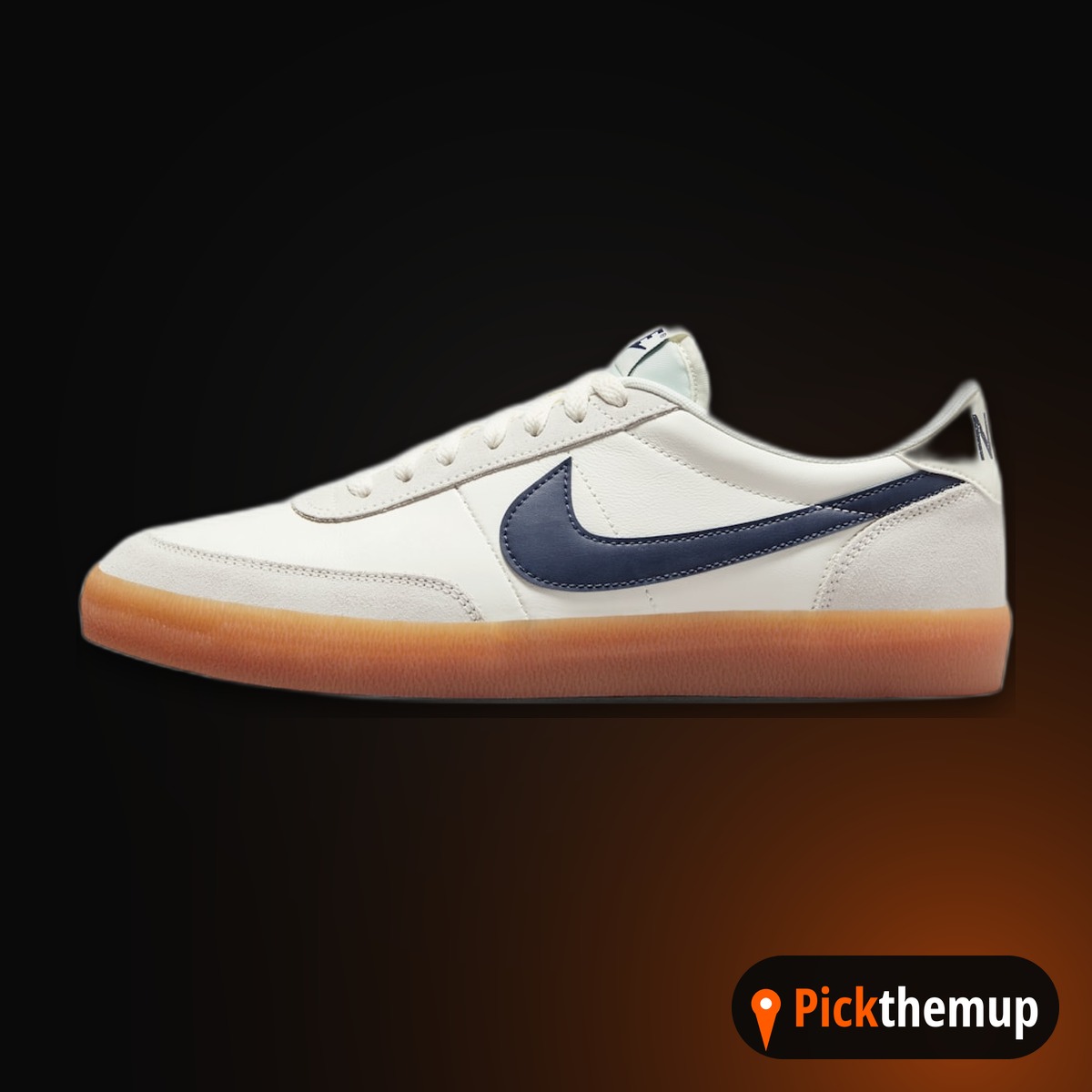
Cedar shoe trees get sold as a finishing touch, something you buy once you already own too many sneakers and want to feel serious about it. That reputation undersells them. They're not decor. They do a specific, boring job, and whether you need one depends entirely on what's in your closet.
What they actually fix
A shoe spends its whole life folded around a foot, then gets tossed flat on a shelf where nothing is holding that shape. Leather and suede have memory, but not forever. Left unsupported, the toe box collapses inward and creases deepen every time the upper is bent the same way. A shoe tree pushes back against that collapse between wears, so the crease that forms is shallower and the toe box holds its rounded shape instead of caving in. It doesn't erase creasing, nothing does on a shoe that flexes when you walk, it just slows how fast it gets worse.
Cedar isn't just tradition
Unfinished cedar absorbs moisture out of the lining faster than the shoe would dry on its own, which matters more than people think. Sweat sits in there after a wear, and a damp interior is exactly what lets odor-causing bacteria stick around. Cedar pulls that moisture out and its natural oils work as a mild deodorizer at the same time. A plastic or painted wood shoe tree holds shape fine but skips this part entirely, so if odor control is the reason you're buying, unfinished cedar is the one that actually does that job.
Where they don't help
Full sneakers with engineered mesh or knit uppers, think a running shoe or a Flyknit build, don't crease the same way leather does and don't hold a shoe tree's shape the way a rigid last does either. You're not protecting anything meaningful there, you're just using a wooden foot-shaped block to prop the shoe open. Save the shoe trees for leather and suede, where the material actually responds to the support, and let mesh runners air out flat instead.
Sizing and fit matter more than the wood
A shoe tree that's too small barely touches the sides and does nothing. Too large and you're stretching the upper in the wrong direction, which can loosen stitching over time. Most trees come in a range rather than an exact size, and the split-toe spring design is meant to expand until it meets resistance, not to be forced in. If you feel real pressure going in, size down. The goal is gentle contact, not a tight fit.