Shoe Weight: Does Shaving Ounces Actually Make You Faster?
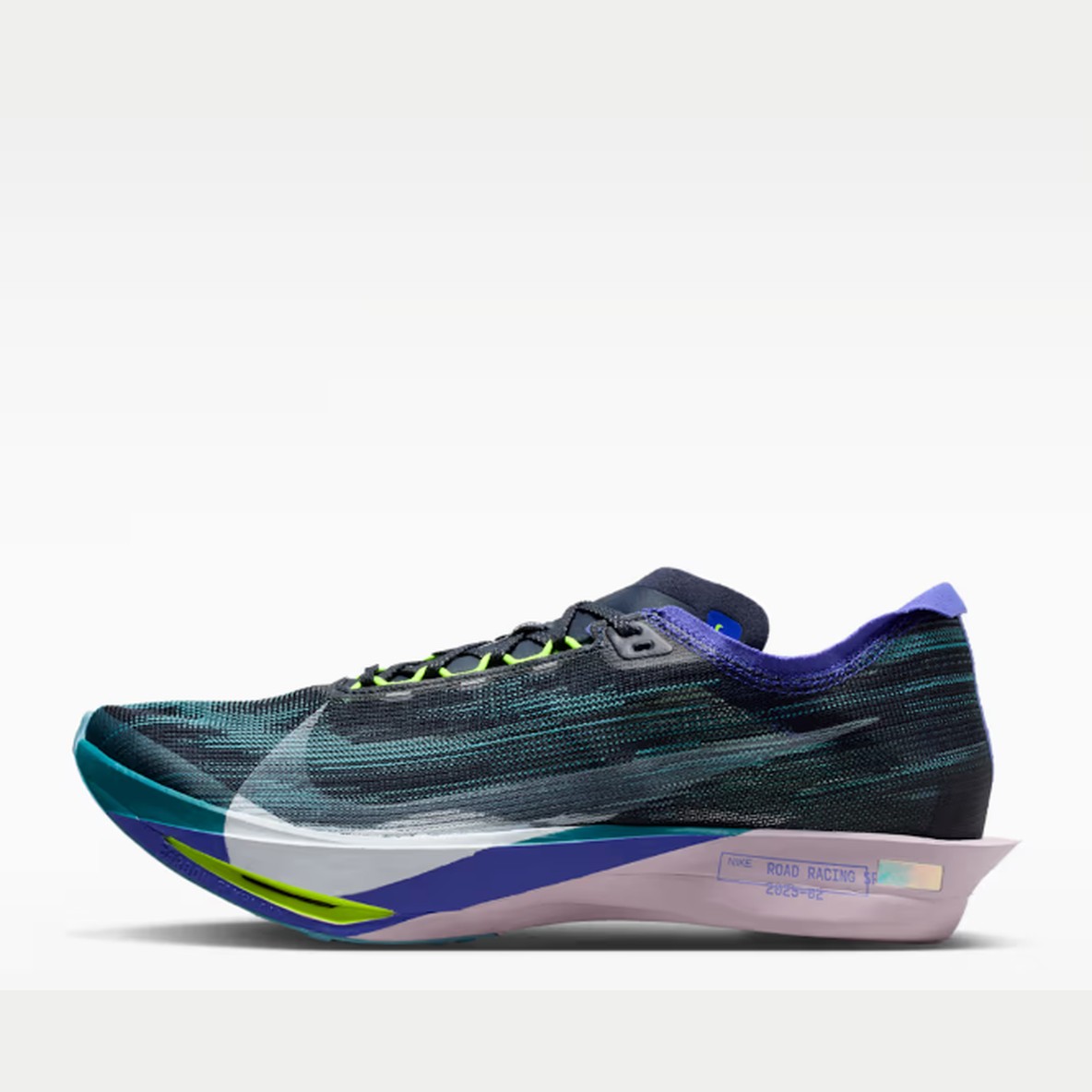
Every racing shoe launch leads with a weight number. Grams get shaved, a spec sheet gets shorter, and somehow a shoe that feels like nothing becomes the one everybody wants. The weight does matter. It just matters a lot less than the marketing implies, and it matters in a different way depending on what you're doing with the shoe.
What an ounce actually costs
Studies on running economy have found that every added 100 grams per shoe costs roughly one percent in energy use. An ounce is about 28 grams, so dropping one ounce per shoe is worth a fraction of a percent. Over a 10K that's a handful of seconds, real but small. Extra weight also sits at the end of your leg, so you swing it with every stride, which is why a heavy shoe feels worse than the same weight in a backpack.
Why a light shoe isn't always a fast shoe
Weight is easy to measure, so it gets credit that belongs to other things. A foam that returns more energy, a plate that stiffens the forefoot, and a rocker that keeps you rolling forward all change your pace more than a few grams do. Plenty of heavier shoes beat lighter ones in lab tests because the foam is doing more work. If two shoes weigh the same, the better foam wins every time.
The tradeoffs hiding in the number
To get light, brands strip things out: outsole rubber, heel padding, upper structure, sometimes durability itself. A thin upper holds your foot less securely, and exposed foam on the bottom wears quickly on rough pavement. That's why many ultralight racers are rated for a few hundred miles at best. If you're running 40 miles a week, a featherweight daily trainer can be a ten-week shoe, which is an expensive way to save an ounce.
Where light is genuinely worth it
Race day and hard workouts are the sweet spot. Short, fast efforts reward a snappy shoe, and you're only putting limited miles on it. Easy runs and long days are different. Fatigue changes your stride late in a run, and extra cushion and a sturdier upper protect you when form starts to slip. Plenty of runners keep one light pair for speed work and a more durable shoe for everything else, which is the same logic behind a rotation.
How to compare weights fairly
Check that the listed weight is for the same size. Brands usually quote a men's size 9, and your size may weigh noticeably more. Then ask what you're giving up for it: stack height, outsole coverage, and expected mileage. A shoe that's an ounce lighter and half as durable isn't the better deal, it's just a faster way to the next purchase.