Skate Shoes vs Running Shoes: Why They Wear Out Differently
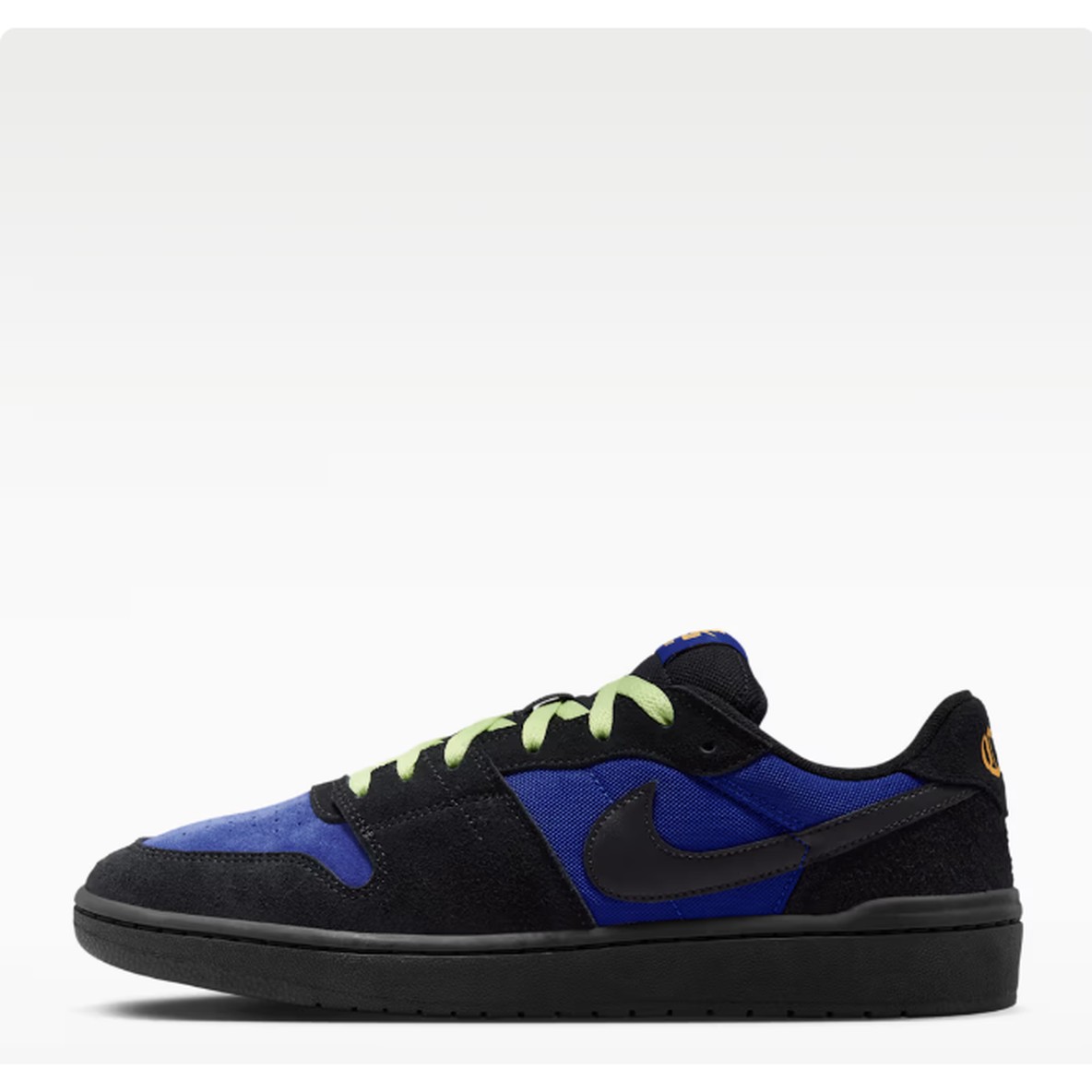
Line up a skate shoe and a running shoe and they can look weirdly similar from a few feet away. Same general silhouette, same rubber-and-fabric construction, same wall of colorways. Put them to work and they fall apart in completely different places, because they were never solving the same problem.
The sole is doing a different job entirely
A running shoe's sole exists to absorb impact and give some of that energy back on toe-off, which is why the foam is soft, thick, and engineered to compress and rebound thousands of times per mile. A skate shoe's sole exists to do the opposite: stay thin and flat enough that you can feel the board through it. Vulcanized soles (a thin layer of rubber cured directly onto the upper) are standard on skate shoes for exactly this reason. Cupsole construction shows up on models built for bigger drops and harder landings, trading some board feel for more protection. Neither approach would work for the other sport.
Where skate shoes actually fail first
Ask anyone who skates regularly and they'll point to the same spot: the ollie area, right where the ball of the foot drags against the grip tape on every pop. That's where the outsole and upper wear through first, often within weeks, long before the cushioning underneath gives out. Reinforced panels, suede overlays, and double-stitched seams in that zone aren't styling choices, they're patchwork against a very specific, very repetitive failure point.
Why running foam can't survive a skate session
Modern running foams like ZoomX or React are tuned for a narrow kind of stress: heel or midfoot strike, quick compression, quick rebound, repeat. Flat-footed board contact and constant lateral shifting load the foam in ways it wasn't built for, and it packs out fast, going dead and flat well before a runner would ever retire the same material. That's also why lateral support matters so much more on a skate shoe. A running shoe barely needs it since the motion is almost entirely forward.
Reading the upper tells you what a shoe is actually for
Engineered mesh, cutouts, and lightweight overlays on a running shoe are there to save weight and manage heat, since nobody wants extra ounces at mile twenty. A skate shoe leans on suede, leather, or synthetic panels precisely because they hold up to abrasion and grip tape friction that would shred mesh in a single session. If you're shopping either category, the upper material is usually a faster tell than the outsole for what the shoe was actually designed to survive.