Sneaker Cleaning: What Actually Works (and What Ruins Suede, Leather, and Foam)
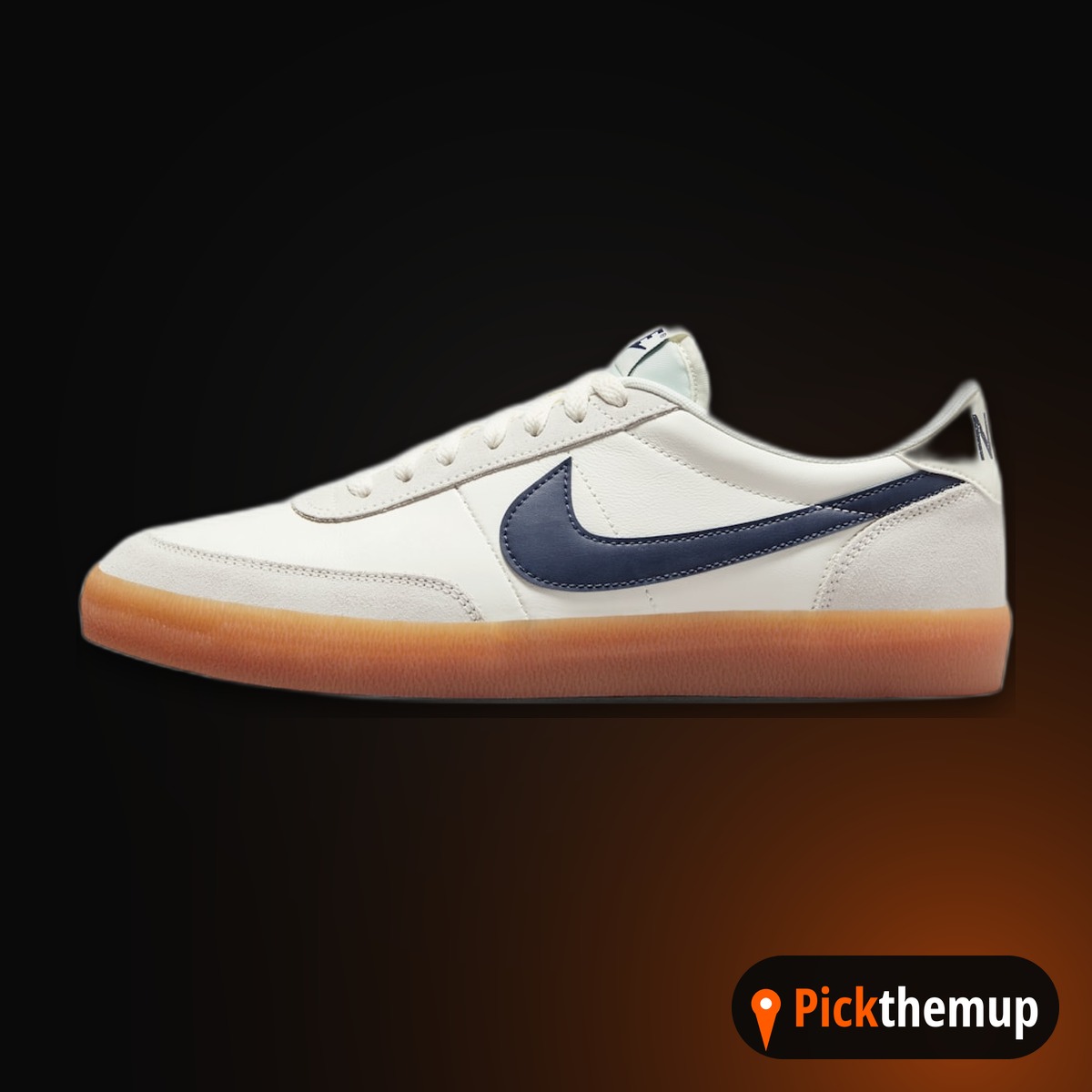
Every pair eventually gets dirty, and every pair eventually meets someone who read one cleaning tip online and applied it to every material they own. That's how suede gets scrubbed with a magic eraser and leather gets soaked like it's canvas. Different uppers and different foams need genuinely different treatment, and the wrong method doesn't just fail to clean the shoe, it does damage you can't undo.
Suede and nubuck: brush first, water almost never
Suede is napped leather, meaning the surface is a forest of tiny raised fibers, and water flattens that nap into a stain the moment it touches down. A suede brush, the stiff brass or crepe kind, handles most day-to-day dirt by lifting debris out of the fibers rather than pushing liquid through them. For actual stains, a suede eraser or a small amount of dedicated suede cleaner applied with a soft cloth works far better than water and a magic eraser, which is just fine abrasive foam that will burnish and flatten the nap permanently. If suede gets properly soaked, the fix is to let it air dry completely away from heat, then re-brush once dry to bring the nap back up.
Leather: it's about conditioning, not just cleaning
Full-grain and synthetic leather can handle a damp cloth and mild soap without much drama, which is exactly why people assume it can handle anything. The mistake is skipping the follow-up. Real leather is skin, and washing it strips the natural oils that keep it flexible, which is why leather that gets cleaned aggressively and never conditioned starts cracking at the flex points within a season. A light leather conditioner after cleaning replaces what the wash removed. Synthetic leather doesn't need conditioning, but it does crack under the same abrasive scrubbing that would flatten suede, so a soft brush and mild soap is still the right call over anything gritty.
Mesh and knit uppers: the washing machine question
This is the most common shortcut people take, and it's not automatically wrong, it's just riskier than it looks. A mesh or knit upper can usually survive a gentle cycle in cold water inside a mesh laundry bag, laces and insoles removed. What doesn't survive well is the midsole foam, which can absorb water, warp under the machine's spin cycle, or develop yellowing from prolonged dampness. Skip the dryer entirely, heat is the single fastest way to degrade foam cushioning and adhesives. Air drying stuffed loosely with paper towels, out of direct sun, is slower but it's the difference between a clean shoe and a shoe with a permanently lopsided midsole.
Midsole foam: less scrubbing than you'd think
White foam yellows from UV exposure and oxidation, not just dirt, and no amount of scrubbing reverses that chemical change once it's set in. For actual grime, a soft brush with diluted dish soap lifts most of it without needing anything harsher. Bleach-based whitening pastes exist and do work on surface stains, but they're genuinely corrosive to foam over repeated use, breaking down the cell structure that gives cushioning its bounce. If yellowing is UV damage rather than dirt, the only real prevention is storage out of direct sunlight, which is a cheaper fix than any cleaning product.
The one habit that matters more than any product
Cleaning a shoe right after it gets dirty is dramatically easier than cleaning it a month later. Fresh mud brushes off suede; dried mud grinds into the nap. A fresh scuff wipes off leather; a set-in scuff needs conditioner and patience. None of the products above are doing anything special, they're just working with materials before dirt has had time to bond to them. A five-minute wipe-down after a muddy walk saves the deep clean that actually risks the shoe.