Sneaker Sizing Across Brands: Why Your Size Isn't One Number
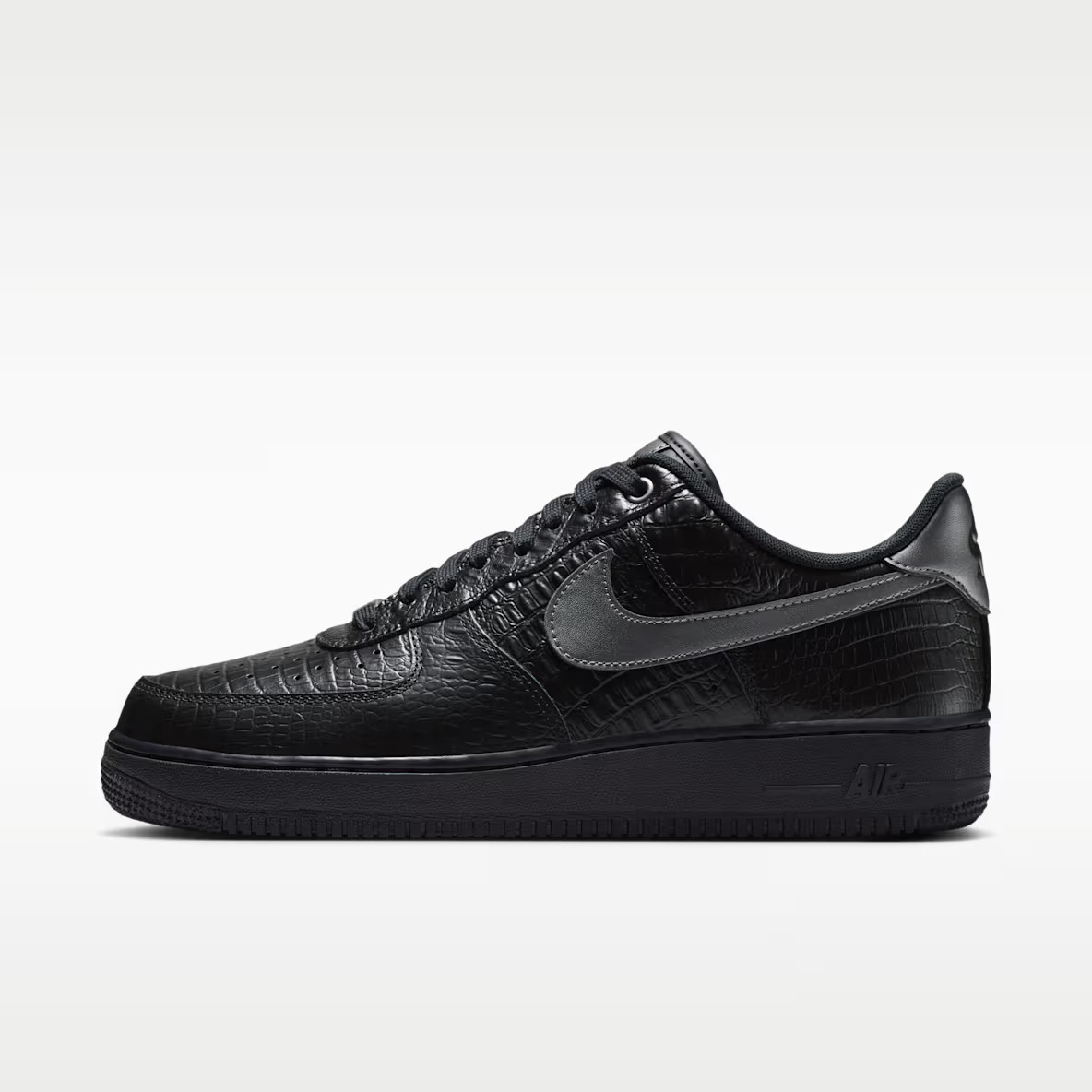
Somebody buys a size 10 in one silhouette, orders a 10 in a different one, and ends up with a shoe that's either sliding around or fighting them by the third mile. It happens constantly and it's not user error. Sizing across sneakers was never standardized, and the more brands and categories you buy across, the more that catches up with you.
The last is the whole story
Every shoe is built on a "last," the foot-shaped mold that determines its internal shape and volume. Two shoes stamped with the same size number can come off completely different lasts. A relaxed lifestyle last and a low-volume performance last will fit a true size 10 foot in two different ways, even with identical size tags.
Retros aren't sized like current releases
This trips up more people than anything else. A lot of retro runs, especially older Jordan silhouettes, were built on lasts from decades ago that ran slightly narrower or shorter than what brands use today. Buyers who wear a consistent size in current releases often need to go up half a size in certain retros just to match the room they're used to.
Running shoes play by their own rules
Performance running shoes are usually sized with extra length on purpose, since feet swell on longer runs and swelling against a tight toe box is how you lose toenails. If your daily trainer feels roomy compared to your lifestyle sneakers in the "same" size, that's intentional, not a fluke.
What to actually check before buying
- Look at reviews or sizing notes for that specific model, not just the brand in general.
- Measure your foot length in centimeters once and keep it saved. It's a more stable reference point than any size chart.
- If you're between sizes and the shoe is for running, size up. If it's a low-volume lifestyle build, staying true to size or going down half works more often.
None of this means you need to guess. It means treating every model like its own decision instead of assuming your usual number travels with you.