Stability vs Neutral: What "Support" Actually Means in a Running Shoe
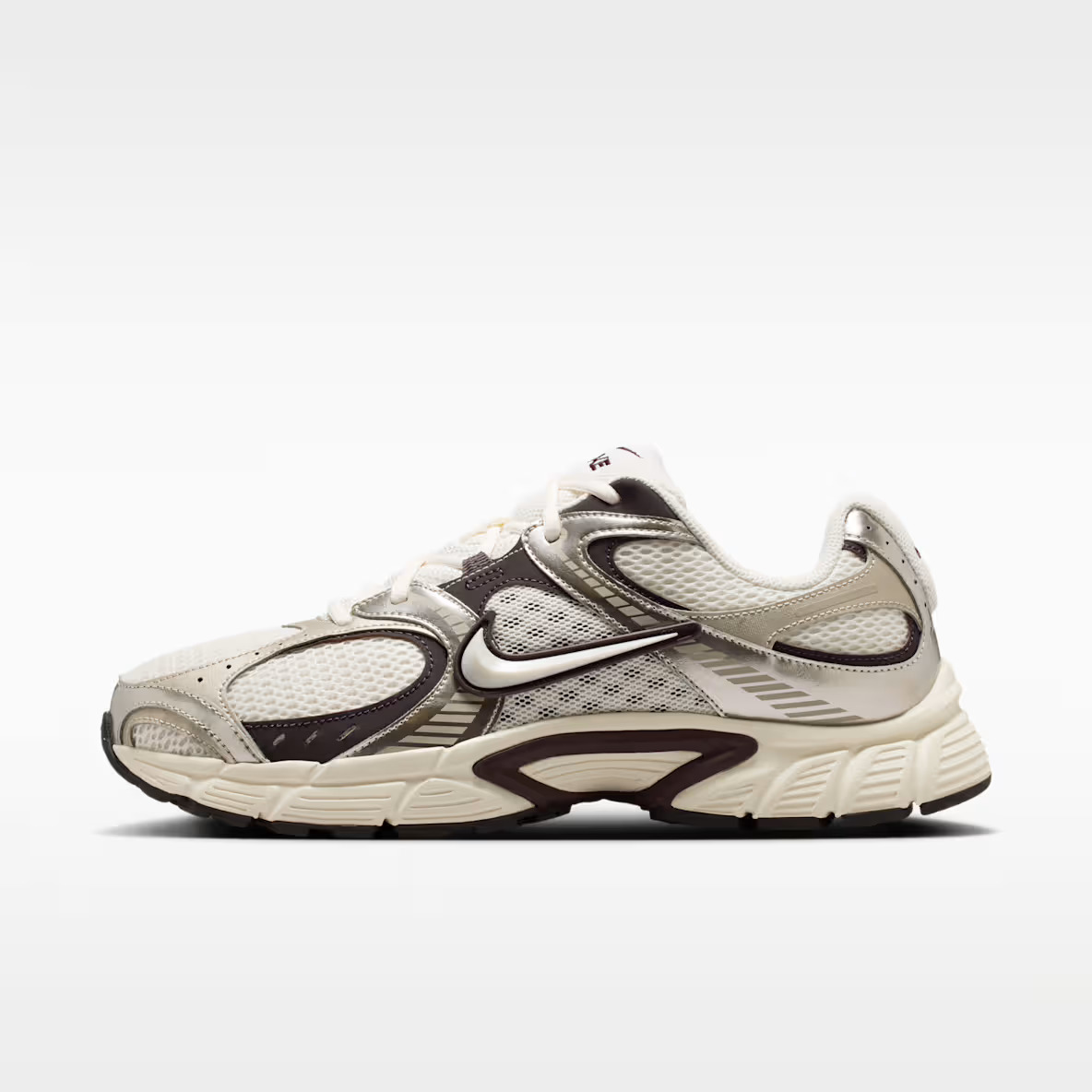
"Stability" is one of those words that gets printed on a shoe box like it's a settled fact instead of a marketing decision. Somewhere along the way, running stores turned it into a whole diagnostic ritual: watch someone jog on a treadmill, look at their ankle, hand them a shoe with the word "support" in the name. Some of that is useful. A lot of it is theater. Here's what's actually happening under the label.
Pronation isn't a flaw, it's just motion
Every foot rolls inward slightly after it lands, and that inward roll is called pronation. It's not a defect to be corrected, it's how the foot absorbs shock and adapts to the ground. The confusion started when "overpronation" got treated as a universal problem that stability shoes exist to fix. Recent research has walked that back hard: how much a foot pronates has a much weaker link to injury than the industry assumed for two decades, and plenty of runners with dramatic-looking inward roll never get hurt at all.
What a medial post actually does
The classic stability fix is a medial post, a firmer, denser wedge of foam built into the arch side of the midsole. It resists compression more than the foam around it, which slows the rate the foot rolls inward. That's a real, measurable mechanical effect. What it isn't is a guarantee of fewer injuries or better comfort for everyone who uses it. For a runner whose foot and gait actually benefit from that resistance, a medial post can feel like the shoe is working with them. For a runner who pronates normally, it can just feel like running on a slight incline.
Guide rails are a newer, gentler approach
Modern stability tech has mostly moved away from a hard wedge and toward softer, more forgiving guidance. Raised foam bumpers along the heel and ankle, marketed under names like guide rails or bevel geometry, only engage when the foot moves outside a normal range, rather than resisting the whole gait cycle. The idea is to support without dictating, which is a meaningful shift from the old model of forcing the same correction on every stride regardless of whether it's needed.
How to actually tell if you need one
Skip the wet footprint test, it tells you about arch shape, not running mechanics. The better signal is your own history: recurring pain on the inside of the knee, shin, or ankle after mileage increases is worth investigating with a stability shoe as one variable to test, not the assumed fix. Worn-out shoes also lie, since a collapsed old midsole will make anyone's gait look unstable. The most reliable approach is still trying a pair on a real run, ideally with a store that lets you return worn shoes, rather than trusting a five-second treadmill glance.
Neutral is not the same as "no support"
Neutral shoes still manage impact and guide the foot, they just do it through the whole platform's shape and foam firmness rather than a targeted post or rail. A wide, flared outsole gives inherent stability without any special labeling. That's worth knowing before assuming a "neutral" shoe is somehow the bare-bones option and a "stability" shoe is the upgrade. They're different tools, not different tiers.