Summer Running: What Heat Actually Does to Your Shoes and Your Feet
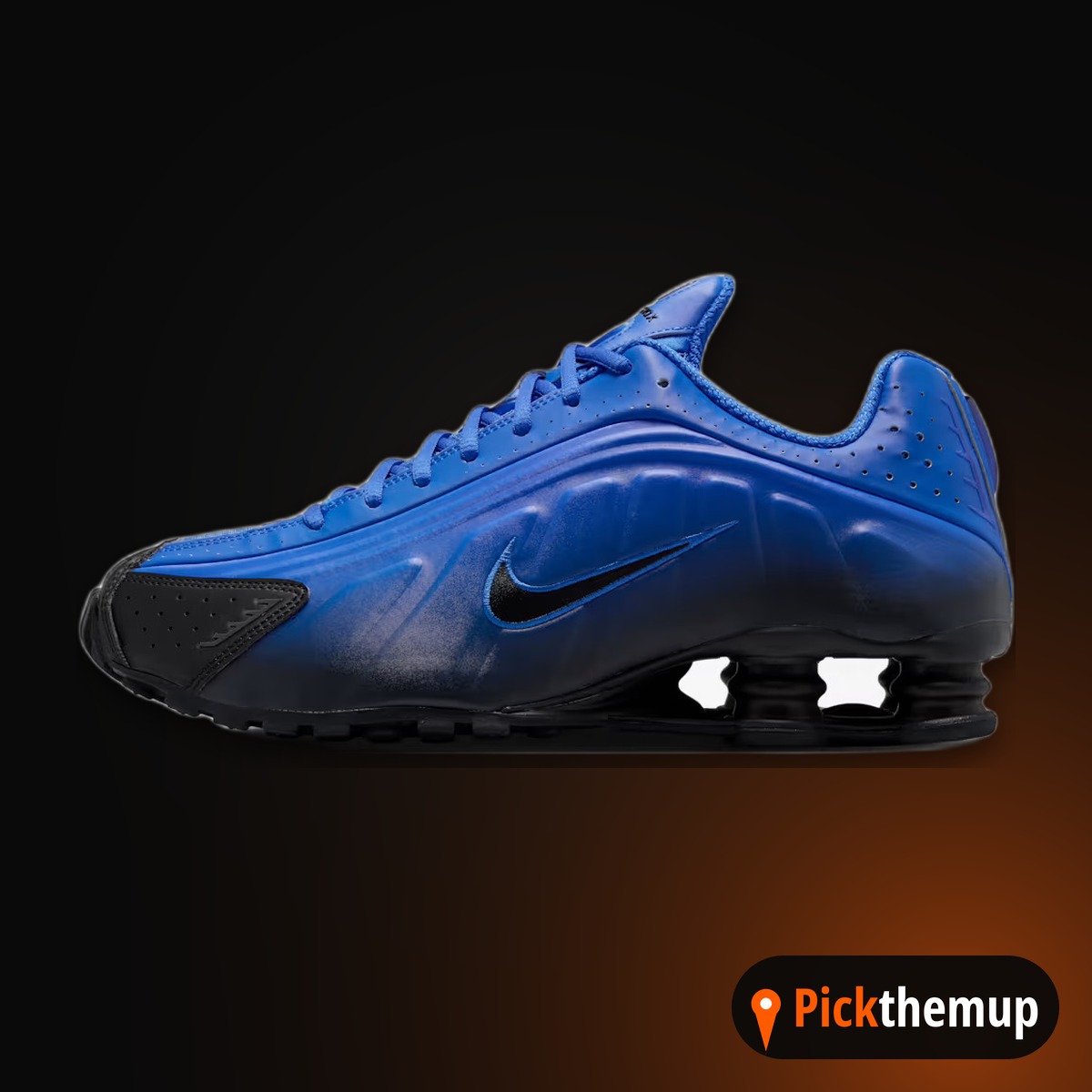
Everyone talks about cold weather gear, but heat does just as much damage to a run, and most of it happens to your feet before it ever touches your shoes. Warm feet swell, sweat pools instead of evaporating, and foam that felt locked-in during a spring taper can suddenly feel loose by mile three. None of this means summer running needs a whole different closet. It means paying attention to a few things that only show up once it's actually hot.
Your feet are bigger in July than in January
Heat pulls blood toward the skin and your feet swell as a result, sometimes by half a size over the course of a long, hot run. A shoe that fit perfectly at an 8am store visit in spring can feel tight and hot by the second mile in August. If you're buying new shoes specifically for summer training, size and fit-check them later in the day when your feet are already at their biggest, not first thing in the morning.
Foam softens, and that's not always a good thing
Most midsole foams get softer as they warm up, which is the opposite problem from winter. A shoe that feels perfectly tuned in cool weather can feel mushy and less responsive once the pavement and the air are both working against it. This is one reason race-day shoes that felt great in a spring workout sometimes feel flat in a July race. It's not the shoe breaking down, it's just doing what warm foam does.
One pair, worn every day, doesn't survive summer well
Sweat volume goes way up in heat, and a shoe that never fully dries between runs starts breaking down faster and smelling worse regardless of how well it's built. This is the season where a rotation actually pays for itself. Give a pair at least a full day off to dry out completely before the next run, and keep a second pair in the mix if you're running most days of the week.
Mesh matters more than anything else on the shoe
An upper built for warmth or water resistance is the wrong tool in July. Open, engineered mesh that lets air move is worth more in summer than any other feature on the shoe, cushioning included. If your go-to pair has a tighter knit or a lined upper, it's worth having something more breathable in rotation for the hottest stretch of the year rather than forcing one shoe to do both jobs.
Hydration changes your gait before your shoes do
A dehydrated runner's form breaks down before their shoes ever get the blame. Shortened stride, heavier heel strike, and general sloppiness late in a hot run put more stress on a shoe than the heat itself does. Fixing the water and electrolyte side of a hot-weather run does more for how your shoes hold up than any upgrade in the shoe itself.