Trail Running 101: What Actually Changes When You Leave the Road
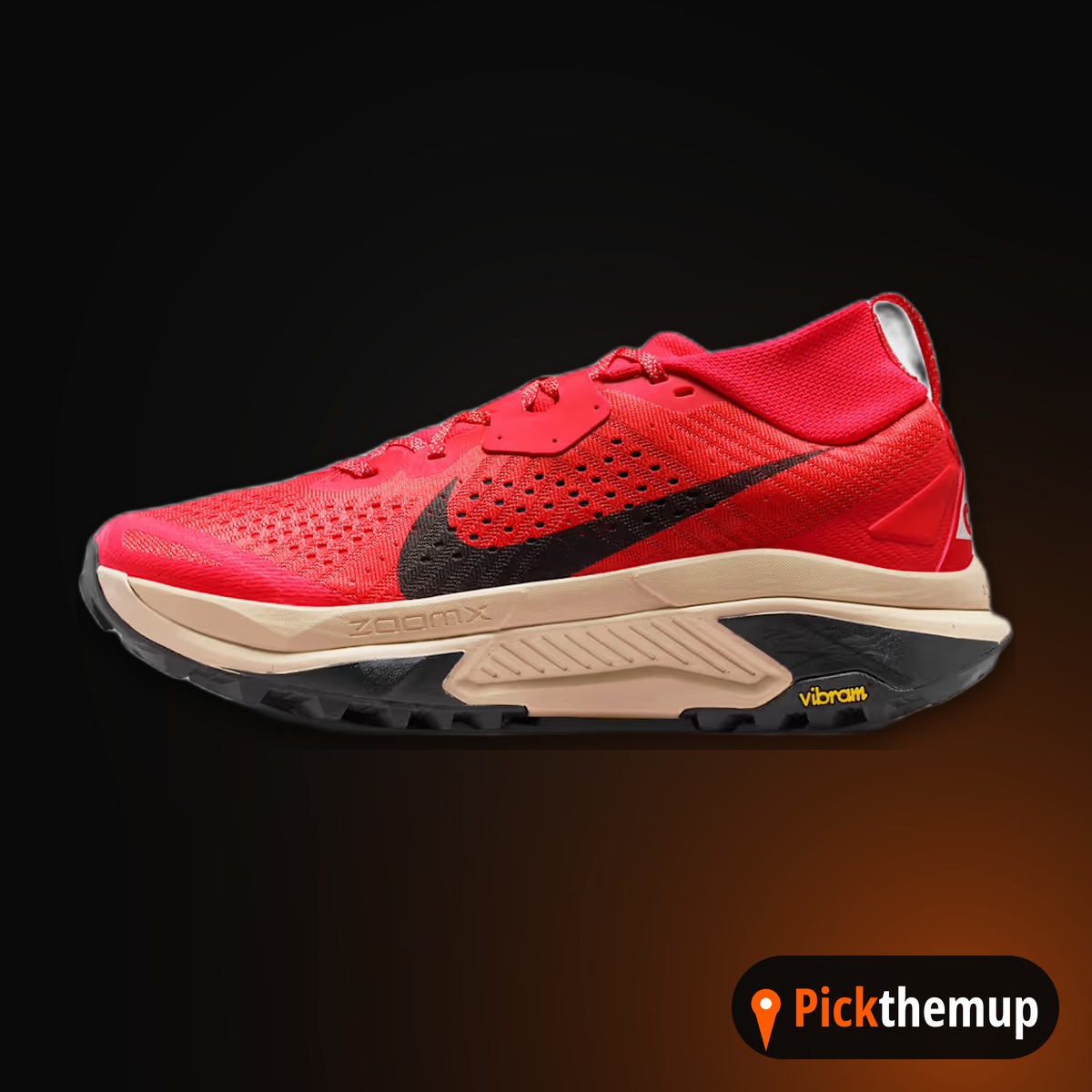
Plenty of runners try their first trail in whatever's already in their closet, figure it's fine, and end up sliding down a switchback or nursing a bruised arch for a week. Trails don't ask more of your fitness so much as they ask something completely different of your shoes. Here's what actually matters once the pavement ends.
Traction stops being optional
Road outsoles are built for a flat, predictable, dry surface, which is exactly what a trail is not. Trail shoes carry deeper, more aggressive lugs, usually in a softer rubber compound, specifically so they can bite into mud, loose dirt, and wet rock instead of skating across it. Try to run a technical trail in road shoes and you'll spend more energy staying upright than actually moving forward.
Your foot needs protection from below, not just cushioning
Roads are flat. Trails are covered in roots, sharp rocks, and stray gravel that can jab straight up into the middle of your foot mid-stride. That's why a lot of trail shoes build in a rock plate, a thin, semi-rigid layer between the outsole and midsole that spreads out impact instead of letting a single sharp point of contact reach your arch. It's a small detail that makes a huge difference on anything rockier than a groomed park path.
Lockdown matters more than usual
On a road, your foot moves mostly straight ahead. On a trail, it's constantly correcting for uneven ground, sideways on cambered singletrack, twisting over roots, catching itself on loose rock. A shoe with a sloppy midfoot wrap lets your foot slide around inside it during exactly those moments, which is how ankles roll. Trail-specific uppers are built tighter through the midfoot for this reason, not just for style.
Debris management isn't a gimmick
Gusset tongues, tighter mesh weaves, and gaiter attachment points all exist to keep dirt, sand, and small rocks from working their way into the shoe over a long run. It sounds minor until you've had to stop three times in the first mile to shake gravel out of a road shoe that was never built to keep it out in the first place.
You don't need to go all in on day one
If you're just testing whether trail running is for you, a light hybrid trail shoe with moderate lugs handles most groomed and semi-technical trails fine. Save the aggressive, rock-plated, gaiter-ready setup for once you know you're going to be out there on the rough stuff regularly. The gear should match the terrain you're actually running, not the terrain you're dreaming about.