Treadmill Running: What the Belt Changes About Your Shoes and Your Stride
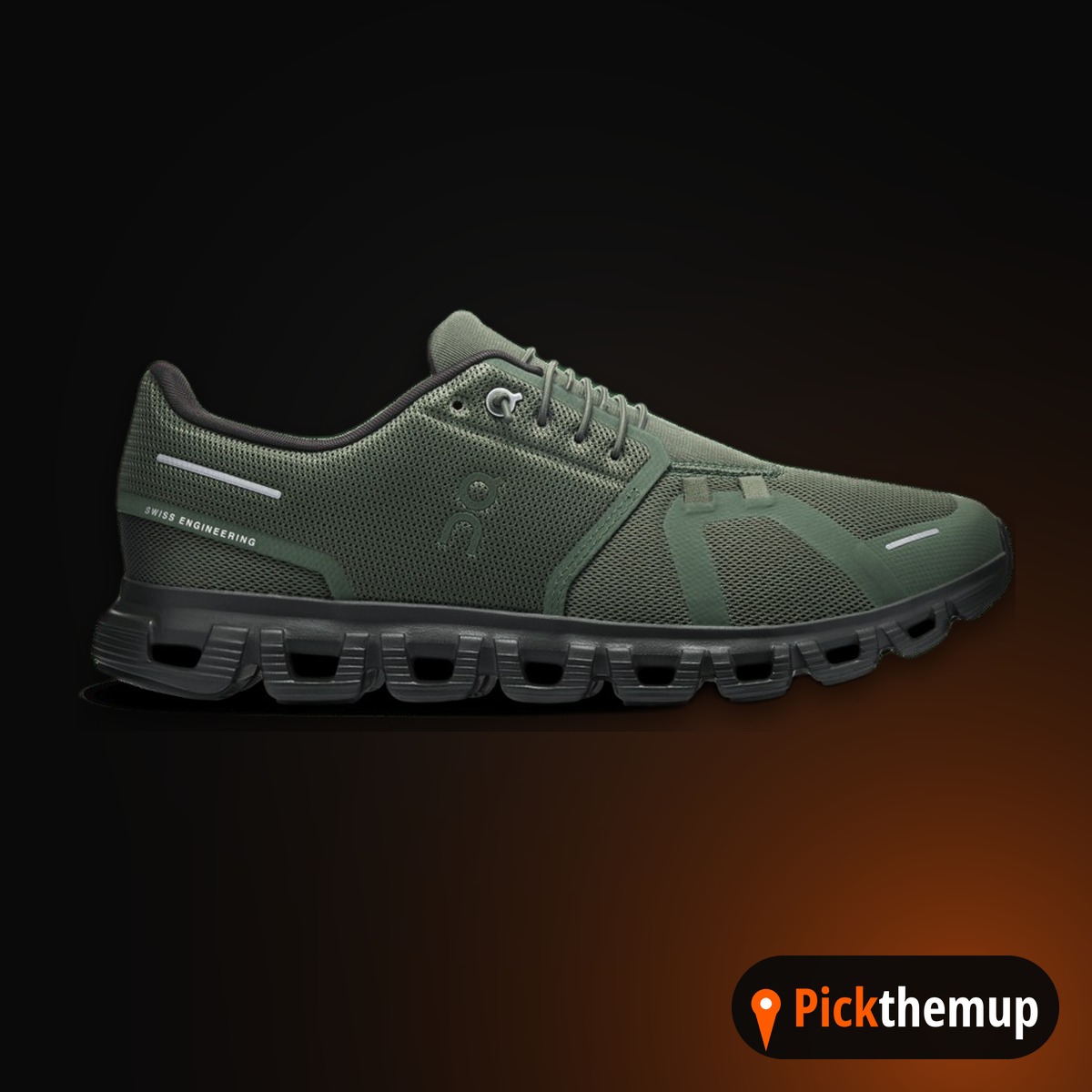
Treadmill miles feel like a watered-down version of the real thing, but the belt changes more than the scenery. Your stride, your shoes, and even the way your feet heat up all behave a little differently indoors. None of it is bad, it's just worth knowing.
The belt does some of the work
On a road you push the ground backward to move forward. On a treadmill the belt is already sliding backward under you, so your push-off can be a touch lazier. Most runners land slightly closer to their center of mass and take a shorter, quicker step. Setting the incline to 1 percent is the usual fix for matching outdoor effort, since it makes up for the missing wind and the belt assist.
Cushioning feels different, and wears differently
A treadmill deck is built to flex, so it absorbs part of each landing. That makes a firm, low-stack shoe feel kinder indoors than it does on asphalt. The flip side is that foam compresses on a steadier, more repetitive pattern, with no cambered roads or turns to vary the load. Your outsole also wears more evenly, with far less scuffing at the edges and none of the grit that chews up road rubber.
Heat is the real shoe killer
Indoor air barely moves, and without a headwind your feet run hotter than they would outside. Warm feet swell, and swollen feet punish a snug toe box. If your shoes feel tight twenty minutes into a treadmill session, try a half size of extra room, thinner socks, or a more open mesh upper. A fan pointed at your legs helps more than people expect.
Do you need a separate pair?
Not strictly. The same trainer works inside and out, and mileage on a treadmill counts toward retirement just like road miles. What helps is keeping a clean pair for the belt. Road grit gets carried onto the deck and wears it down, and gym floors are not kind to dirty outsoles. A wipe-down after outdoor runs keeps both the shoe and the machine happy.
Making it feel less like a hamster wheel
Mix up the speed instead of locking in one pace for an hour. Short intervals, a few incline blocks, and a steady last ten minutes keep your stride from going stale. Look ahead, not at the console, and keep your hands off the rails. Holding on shortens your stride and teaches your body to lean on something that won't exist on race day.