Waterproofing and Gore-Tex: What Actually Happens When Your Shoes Get Wet
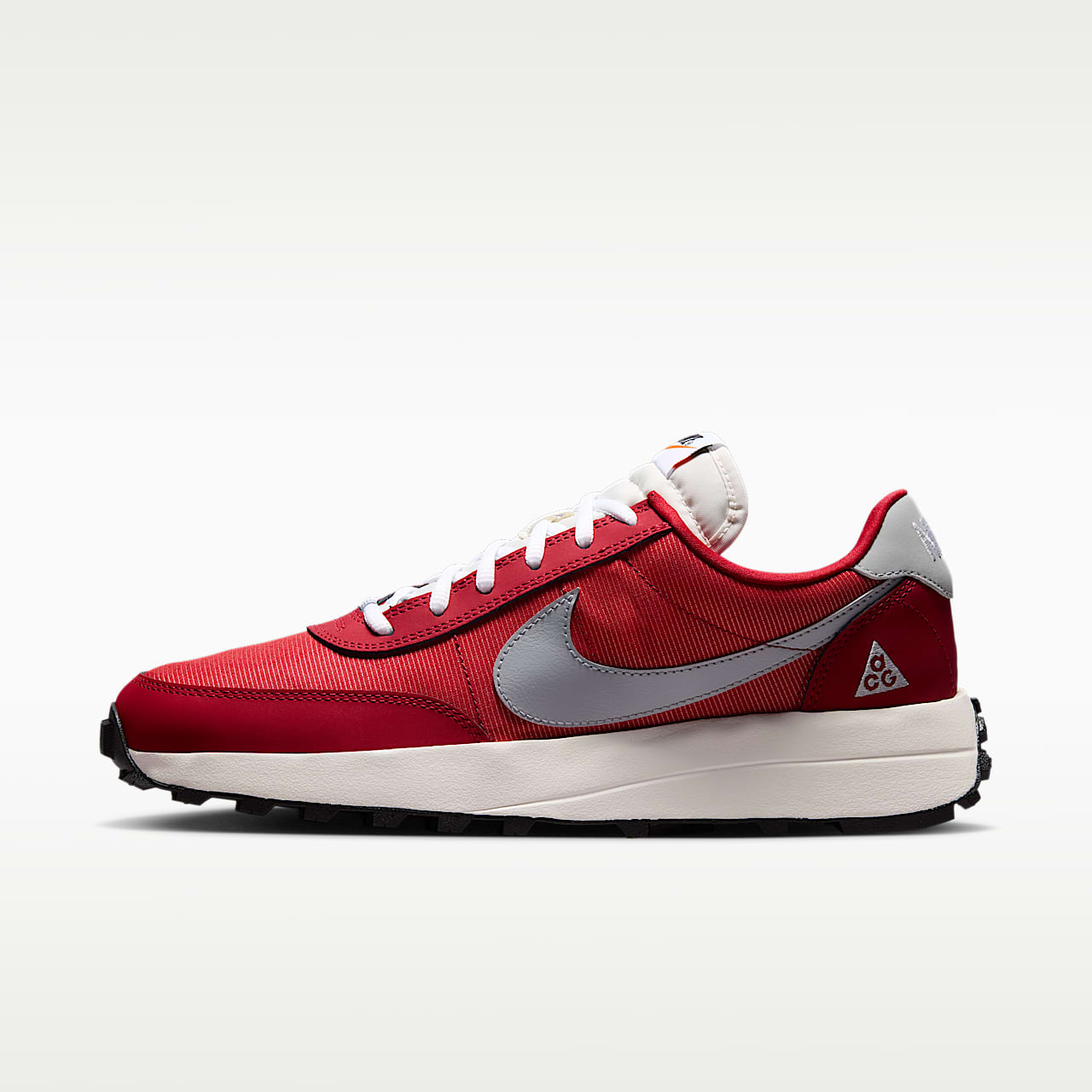
A Gore-Tex tag on the tongue gets treated like a promise: dry feet, no matter what. That's not quite how it works. Waterproofing is a real technology doing a real job, but it has limits that most people find out about the hard way, usually standing in a puddle that's exactly one inch deeper than the shoe.
It's a membrane, not a coating
Waterproof shoes aren't sprayed or dipped. There's a thin membrane, Gore-Tex being the best known but far from the only one, laminated between the outer material and the interior lining. That membrane is full of pores small enough to block liquid water from pushing through but large enough to let water vapor escape as gas. That's the whole trick: it stops rain getting in while still letting sweat get out, at least in theory. A basic waterproof spray on a regular mesh shoe does something different and much simpler, it just makes the surface repel water for a while until the coating wears off.
Why waterproof shoes still get wet
The membrane only protects what it covers. Water doesn't need to soak through mesh to get in, it can pour straight over the collar, seep through the stitching at the tongue, or wick down a wet pant leg into the sock. This is the most common complaint about waterproof shoes, and it's almost never a defect. The membrane did its job perfectly. The opening at the top of the shoe just isn't sealed, and it was never designed to be, because a fully sealed shoe would be unwearable in anything but a swamp.
The breathability tradeoff nobody reads
Vapor transfer through a membrane is a lot slower than air moving through open mesh. That's the cost of waterproofing, and it shows up as warmer, sweatier feet even on dry days. Runners who buy a Gore-Tex trainer for winter trail miles and then wear the same pair on a warm spring run usually regret it by mile three. The membrane hasn't failed, it's just doing exactly what it was built to do in a season it wasn't built for.
When you actually need it
Waterproofing earns its keep in specific conditions: cold rain, slush, wet trail mud, anything where your foot is going to sit in standing moisture for a while. It's a poor fit for hot weather, for anything involving a stream crossing deeper than the shoe's collar, or for daily wear where breathability matters more than the occasional wet sidewalk. If you're mostly dealing with light rain on a commute, a well-treated leather or a simple water-repellent finish will get you further than a heavy membrane shoe, with a lot less sweat to show for it.